(219) 261-2000

Farm Management
Farm management for landowners who live somewhere else
For fifty years, we’ve managed farmland for families who live in another state or another country, across Indiana, Illinois, Wisconsin, Arkansas and Texas.
FirmHageman Realty, since 1976
OfficeRemington, Indiana
LanguagesEnglish and German
LicensedIN, IL, WI, AR, TX
Who this is for
You own it. Somebody else has to be there.
An absentee landowner is anyone who owns farmland they don’t work. It is a real category in agriculture. It covers the daughter who inherited eighty acres in Benton County and lives in Chicago, the couple who moved to Arizona and kept the home place, and the family in Europe who bought Midwest row crop because farmland holds value through cycles that other assets don’t.
What they have in common is distance. They can’t drive past the field on a Sunday, and they may not know the farmer yet. Being far from the farm makes it harder to see what’s happening day to day, so good communication matters more.
A good farmer is an important partner in the long-term health and value of the land. If you have one who communicates well and takes good care of the property, you may already be in a strong position. Farm management is added support for owners who want help with communication, projects, records or market context.
What we actually do
The work, grouped the way an owner thinks about it
This isn’t a service menu. It’s the actual list, in the order the questions usually come.
Money in, money out
- Rent billed, collected and deposited
- An operating account held in trust for you, if you want us handling the banking
- Monthly bank reconciliation and monthly bank statements
- Bills and farm expenses paid
- Real estate and personal property taxes paid ten days before they go delinquent
- Monthly income and expense statements and an annual profit and loss
- Records prepared for your tax preparer
- Books you can audit any time
The lease and the tenant
- Finding, evaluating and recommending tenants
- Lease negotiation and drafting
- Enforcement, with prompt written notice of any default
- The ongoing tenant relationship, which is what prevents most problems
- An annual budget projected for the life of the lease
The land itself
- Attention to the crop through the season, in person or through regular contact with the farmer
- Crop program recommendations
- Soil sampling and fertility tracking
- Drainage and tile designed, bid and supervised
- Maintenance and repair of buildings, pumps, irrigation and equipment
- Capital improvements scoped and supervised, with your approval
USDA and FSA
- Power of attorney so we can act for you at the county office
- Program signup, base acres, yields and elections
- Conservation programs, including EQIP and CREP work plans
- Coordination with your attorney or accountant on any federal reporting you owe
Projects, where the money often is
- Wind and solar lease inquiries, with due diligence, valuation and negotiation
- Utility transmission lines, substations and easements
- IDEM matters
- Tax modeling on easement and one-time payments, so you can see what a one-year against a multi-year distribution actually costs before you sign
Ownership and the long term
- An annual meeting, in person or by video, with a written agenda
- An annual market-value update, for planning and balance-sheet updates
- Help buying more land when you want to add
- Generational transition, and getting your family to the right professionals
- Insurance coordination and annual review
- Coordinating your attorney, accountant and lender
For the full service menu and how a plan gets built, see farm management services.
The process
How it starts
You tell us what you want. We build the plan and do the work. There are four steps, and you are only heavily involved in the first two.
01
Information gathering
We talk about your farm, what you want for yourself and your long-term goals, then collect the current tenant and lease information, your FSA records, the farm’s history, and any wind, solar or carbon options or leases.
02
Agreements and authorizations
We send the paperwork: the farm management agreement, a power of attorney, FSA authorization, the lease agreement and the bank account documents.
03
Execution
We start running your plan. We also make sure you understand how we work with you on the things that come up weekly, like how and when funds move and how we reach each other.
04
Communication
We stay in regular contact with you and your farmer, and we hold an annual meeting to go through farm value, current markets, cash rent, projections and what we would change next season.
Why this firm
What you are actually choosing
01
We farm at scale, and we’ve been there
The best farm manager is somebody who understands farming. We have run large-scale row crop operations in more than one state at the same time, Indiana and Texas, with our own equipment, our own people, our own agronomy and our own balance sheet. That is a different thing from managing land for somebody else, and it is why a new challenge doesn’t surprise us.
The line that goes next to it every time: we don’t farm the land we manage, and we don’t buy the land we sell. The scale is only worth something to you because of that sentence beside it.
02
Fifty years, and we are on the third generation of the same families
Sara’s father, Steve Hageman, began this work with the grandparents of families we still manage for today. Those clients come to Indiana to see their farms and they stay with us while they are here. We go see them. We have sat at their tables and they have sat at ours. A firm with staff turnover and a regional portfolio manager cannot manufacture that.
03
We are paid by the owner, and only by the owner
We have never accepted a commission, referral fee, placement fee or any other compensation from a tenant, not once. If you live six thousand miles away you have no way to verify that, which is exactly why it should be said plainly and in writing.
04
We know both countries, and who to call in each
Most American attorneys and accountants know the American side. Most European advisors know theirs. Very few understand how the two fit together, and a family with land in one country and a home in the other needs somebody who does. Over fifty years we have built that group of professionals, and we get our owners to them. We are not the tax or legal advisor. We are the people who know which one you need.
Who you will work with
The farm management team
You will work with two brokers, and you will know both. This is not a call center with a portfolio manager assigned to your file.
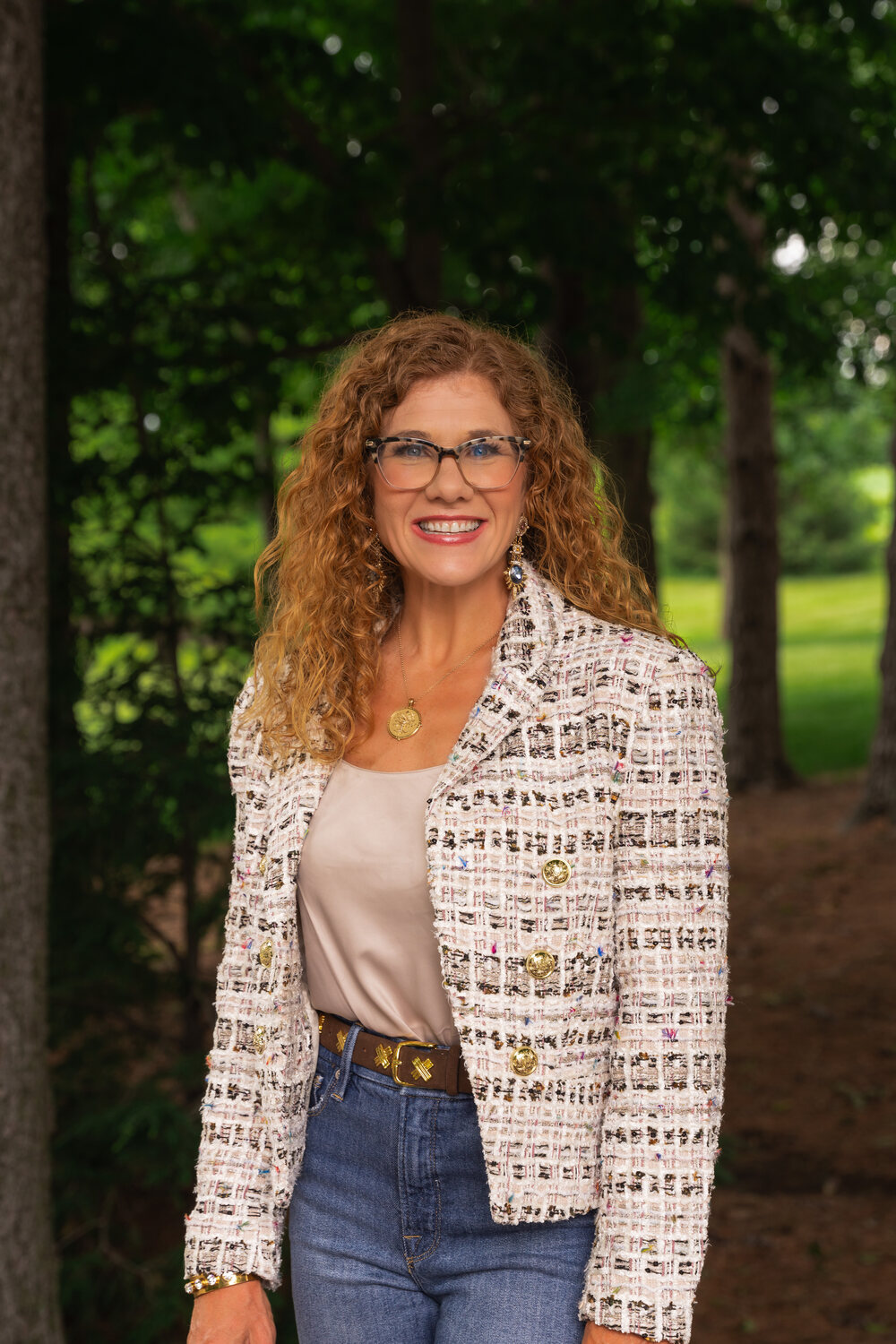
Sara Hageman Schenck
Owner and Managing Broker, ALC
Fourth generation of her family to lead this firm. She holds the Accredited Land Consultant designation from the REALTORS Land Institute, worked in international real estate while based in Europe, and still speaks with European investors regularly.
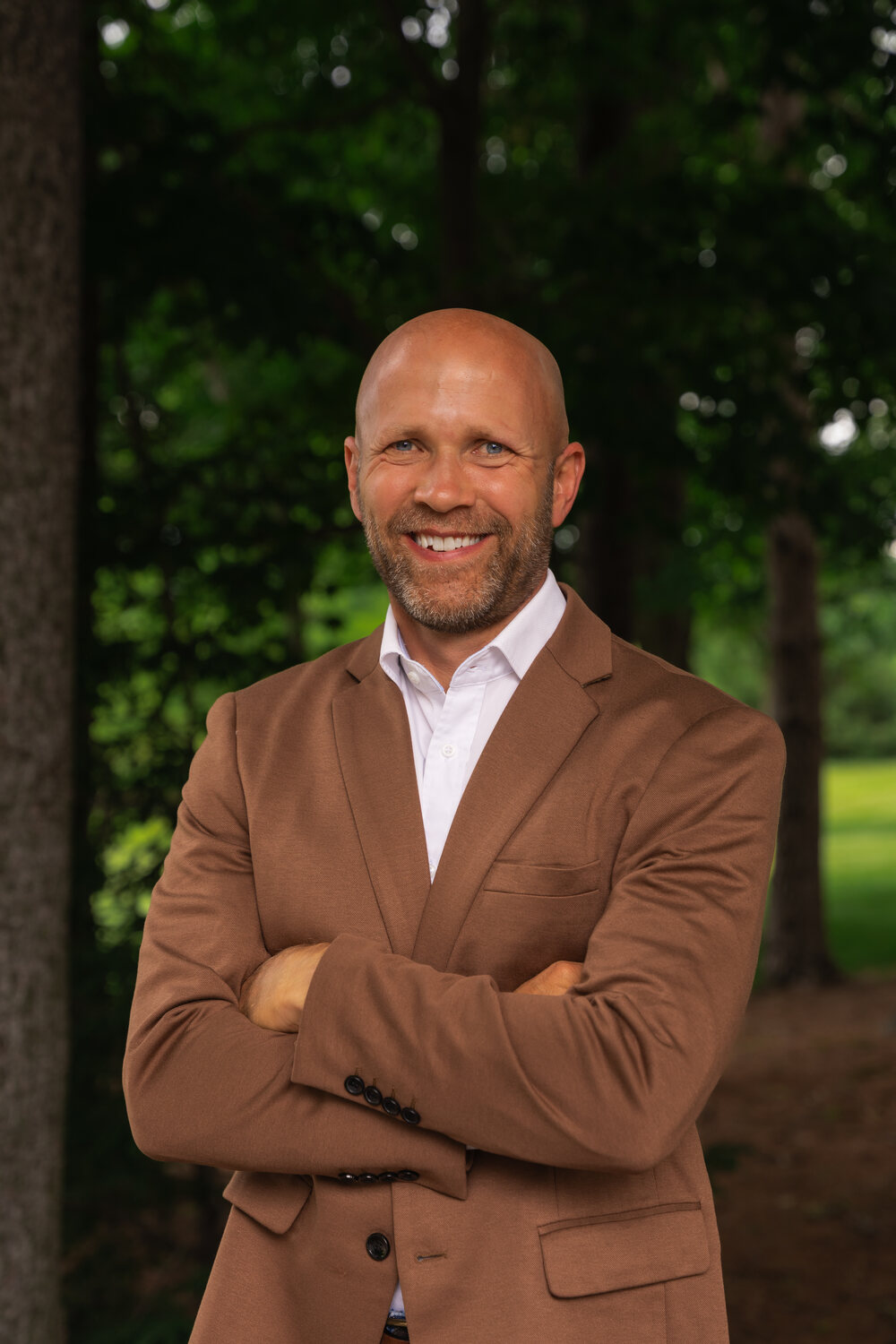
Hinnerk Wolters
Broker · Native German speaker
Born in Germany, where German was his first language. He grew up farming, has spent 25 years managing crop farming, seed production and livestock operations, and holds a master’s in agribusiness from Purdue plus an MBA from Indiana University’s Kelley School of Business. Licensed in Indiana, Illinois and Wisconsin.
Free download
The Owner Who Isn’t There
A plain-language guide for people who own farmland somewhere they don’t live. It covers what to ask the person farming your land and the five things to find out first, and how to read a farm statement line by line, including the two entries that confuse everybody. If you ever want help, it also covers what a year of farm management looks like, the questions worth asking before you hire anybody, and everything farm management covers.
It’s useful whether you look after your land yourself or have help. If you already have a manager, read it and see how much of this you are getting.
Send me the guide
We will email the guide and add you to occasional landowner updates. We don’t sell or share your information. Unsubscribe whenever you want.
Elsewhere on the site
Where to go next
Common questions
Farm management, answered plainly
What does a farm manager actually do?
A farm manager runs the business side of your land so you don’t have to. That means selecting and dealing with the tenant, negotiating and enforcing the lease, and collecting the rent. If you handle your own payments, we make sure the bills get paid. If you would rather we did it, we pay the bills and taxes out of an account held for you. It also means keeping an eye on the crop through the season, tracking soil fertility, handling USDA and FSA paperwork, and keeping you informed. Many owners who use one live somewhere else, have retired from farming, or inherited land they have never worked. Some want it set up so the next generation can take it over, with somebody there to teach them.
Can you manage land I inherited and have never seen?
Yes. We start by finding out what you actually own and what condition it is in: the current tenant and lease, the FSA records, the farm’s history, and whether the rent has been reviewed since the person before you set it. You will get a clear picture before you have to make a single decision.
How do I know whether my cash rent is fair?
Some absentee owners are on a rent that was set low years ago, often by a parent, and hasn’t kept up with the market. We review the lease against current market rates for comparable land, tell you where it actually sits, and if it is low we handle the renegotiation with the tenant. We do not push you to change tenants. We make you aware of where the market is and keep working with the farmer you have. Cash rent is a standing item on the annual meeting agenda for every farm we manage.
What should I be receiving through the year?
You receive monthly income and expense statements, an annual profit and loss, and one annual meeting with a written agenda covering farm value, markets, cash rent, projections and any improvements worth making. Through the season, our farm managers stay in touch with you and your farmer. Owners on our highest level of service also receive monthly bank reconciliation and monthly bank statements. We cater the service to what each owner actually needs, so the exact package is worth a conversation.
Do you farm the land you manage?
No. We farm at scale on our own account, and when we manage land for an owner, we don’t farm it. If we ever farm an owner’s land, we don’t charge to manage it. We also do not buy the land we sell. Those lines exist so that an owner who cannot be here never has to wonder whose interest we are serving.
Do you take any payment from the tenant?
Never. We have not accepted a commission, referral fee, placement fee or any other compensation from a tenant, not once. We are paid by the owner and only by the owner. We also do not micromanage the tenant or force them to use particular practices or inputs. They do their job, and we are here if they need us.
I live outside the United States. Can you still manage my farm?
Yes. We manage land for families who live far from it, in the US and in Europe. We have brokers and farm managers who speak German, so you can do much of this in German. Some of it, the initial setup in particular, may still need you here in person, and we will help you navigate that and point you to the right people.
Do you handle the federal reporting a foreign owner has to file?
Foreign ownership of US farmland carries a federal reporting requirement, separate from any question of whether you are allowed to own the land. The form is filed with the Farm Service Agency county office where the land sits. We don’t file it for you or tell you whether you owe one. What we do is flag it early, make sure the required forms get filed, and connect you to professionals who understand both the American and the European side. State rules on foreign ownership also vary, and we can help you navigate the nuances rather than guess at them.
Where do you manage farms?
Hageman Realty is licensed in Indiana, Illinois, Wisconsin, Arkansas and Texas, with the office in Remington, Indiana. We are not licensed outside the United States and we do not hold ourselves out as brokers anywhere else.
Start with a conversation
There’s no pressure and no timeline. Call the office, or take the guide and read it first.
