(219) 261-2000

Illinois Real Estate
With its highly productive farmland and renowned prairie soils, Illinois offers exciting land investment opportunities, but navigating the complexities of the farmland market requires local expertise.
Discover Your Ideal Land Investment in Illinois
Hageman Realty has been serving Illinois landowners for generations, providing unparalleled knowledge and personalized guidance to buyers seeking their perfect property. We understand the unique characteristics of each region of the state, from the northern plains to the rolling hills of the south. Lean on our Illinois knowledge, and let us connect you with land that aligns with your investment goals and agricultural aspirations in the Prairie State.
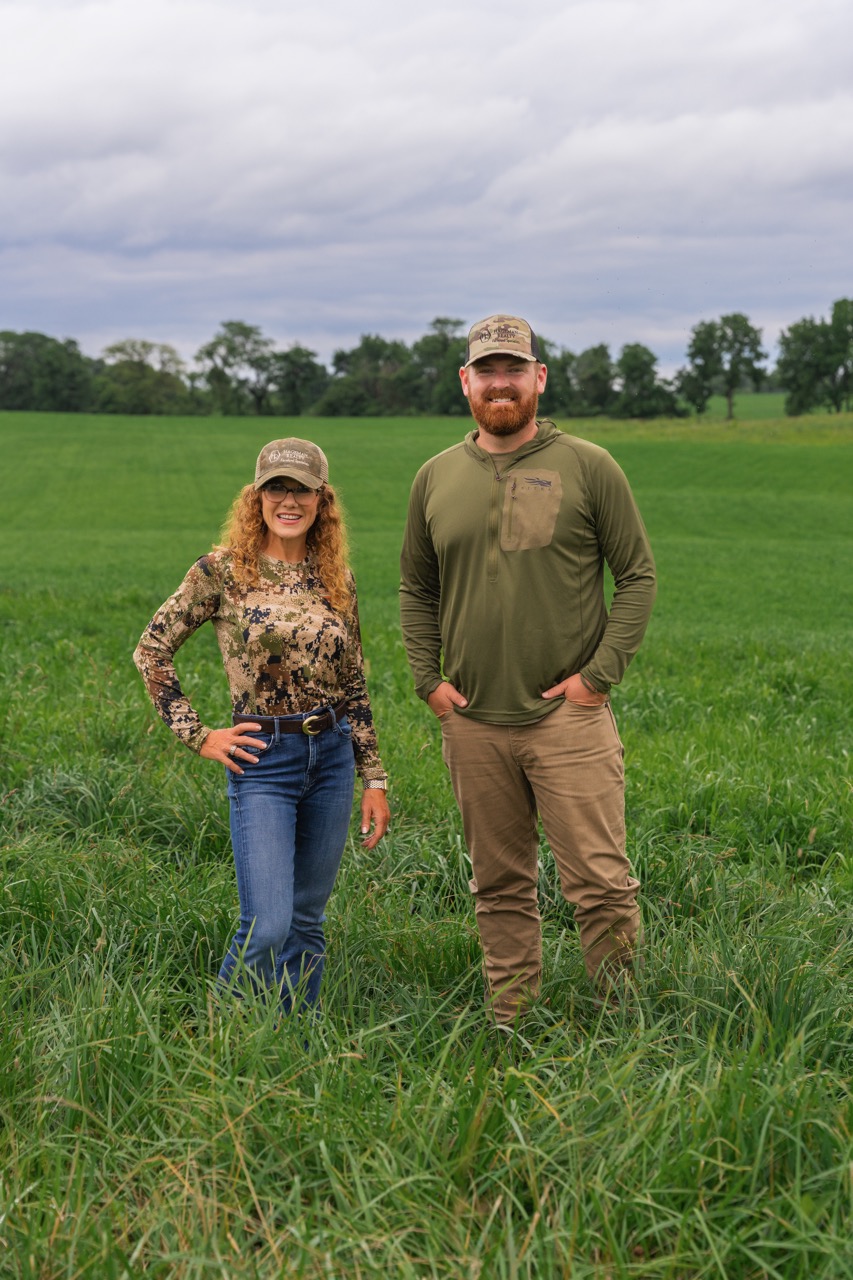
Explore Your Land Investment Options in the Prairie State
Looking for farmland or recreational land in Illinois? Our extensive network and local knowledge connect you with a wide range of properties across the state's diverse agricultural and recreational landscape. Start your search today and discover your ideal property.
Find Your Next Investment in Illinois
Hageman Realty is your partner in finding the perfect piece of land for your needs in Illinois. From the fertile farmland in the central plains to recreational property in Shawnee National Forest, we will help you navigate the Illinois land market.
Matched with our knowledge of local regulations and incentives, you can buy Illinois property feeling assured that you’ve gotten the best possible price while also checking off all your property needs boxes. With your unique vision and goals in mind, we’ll help you explore our extensive network to find your perfect property.
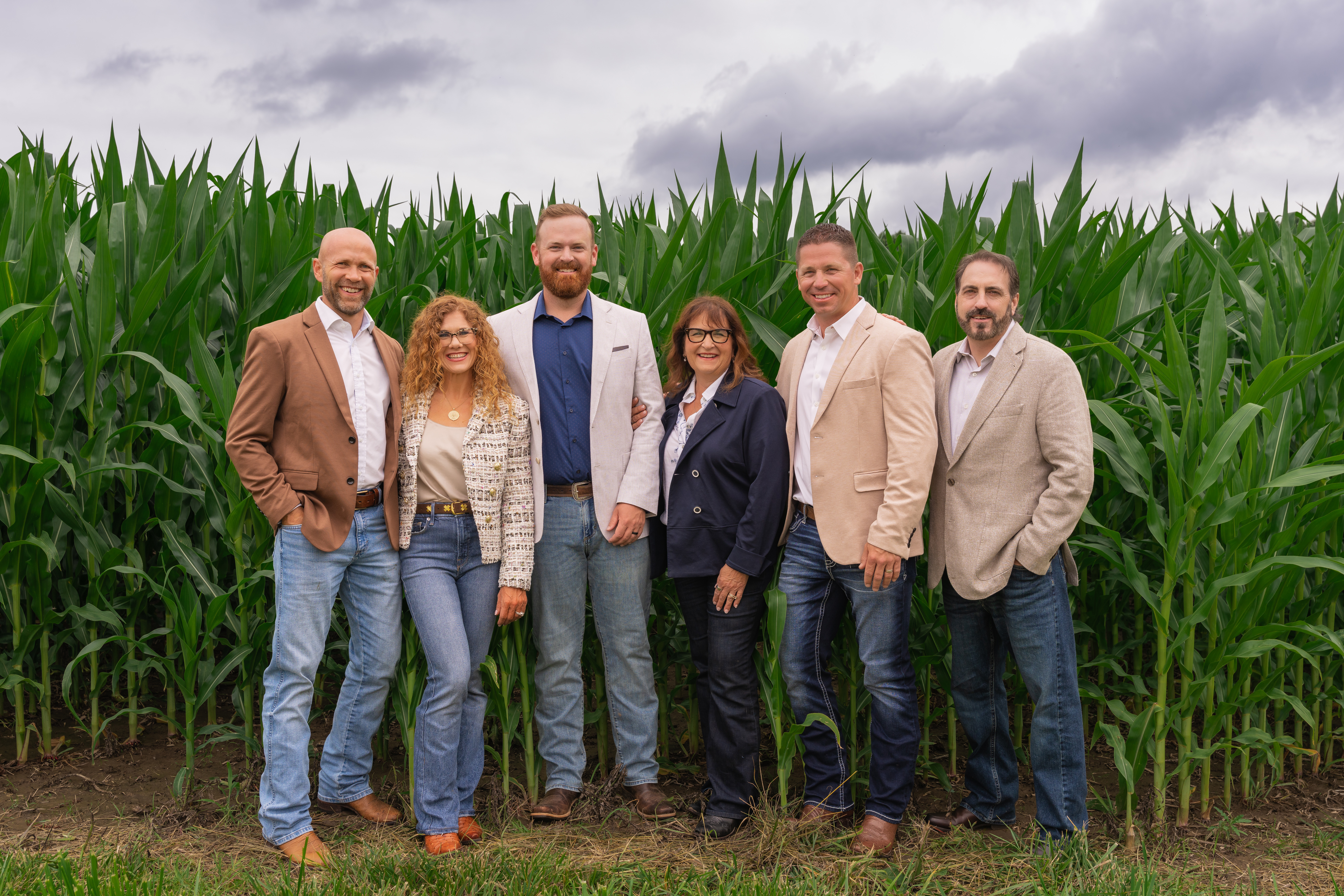
Ready to Sell Your Illinois Property?
Hageman Realty’s regional reach and proven sales process means that selling your land can be a smooth and rewarding experience that sets you up for a secure financial future. We’ll guide you through the process from start to finish, providing you with the information you need to make informed decisions about your land sale.
We understand the Illinois land market and can connect you with qualified buyers, helping you achieve the best possible sale price. We will help you maximize your land’s value and achieve your goals.
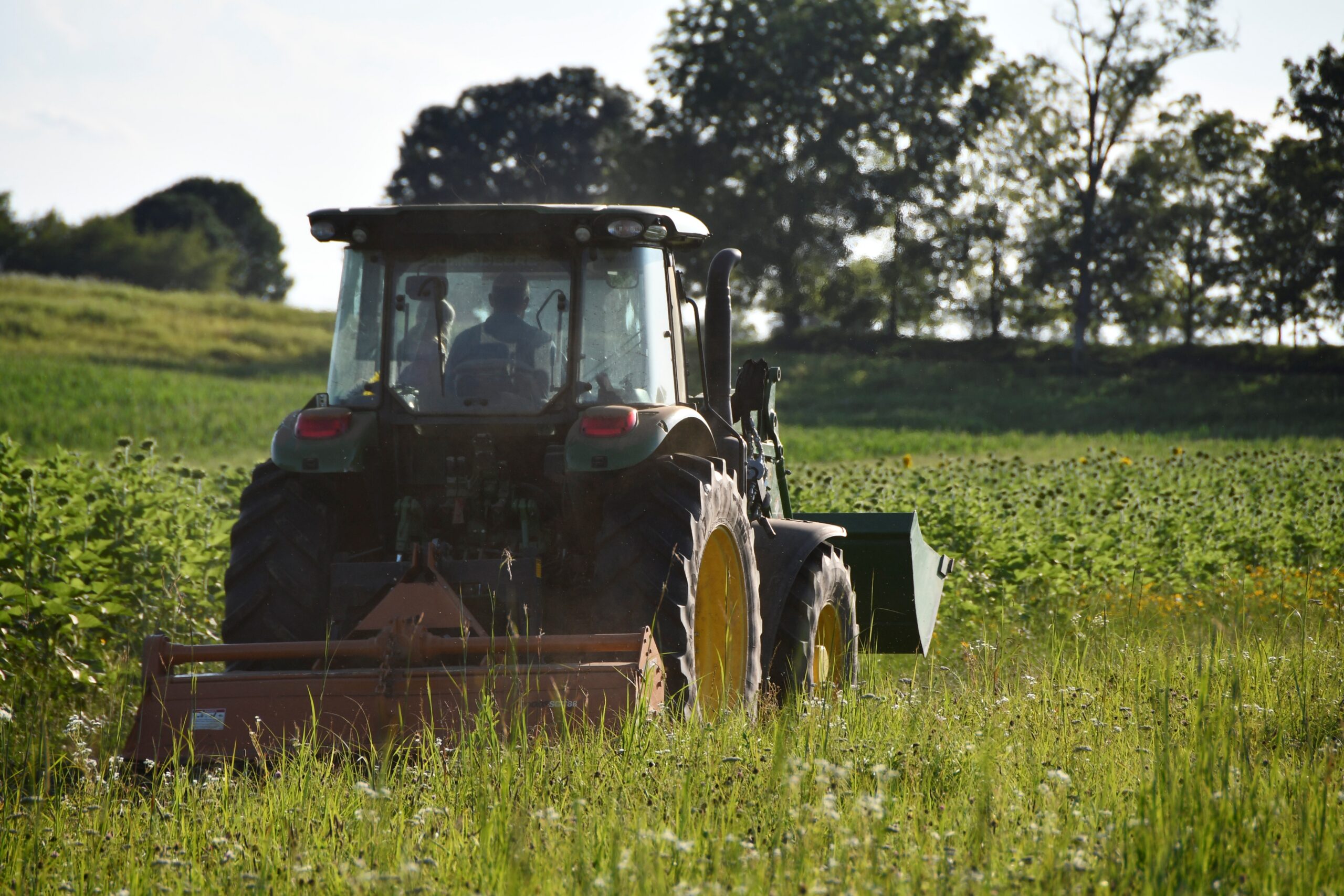
Your Illinois Landowning Journey Starts Today
Take the first step toward investing in Illinois’ diverse and fertile land by contacting Hageman Realty today. Our experienced team will help you navigate the market, assess your options, and make a confident investment in your ideal plot of land. Sell your Illinois property, or leverage services to optimize your properties to get the best possible returns.
With decades of experience across five states, the Hageman Realty team has a proven track record of helping our clients land their next opportunity. Contact us, and let’s get started today.
Illinois Farmland: A Landowner's Guide to the Prairie State
Illinois, the “Prairie State,” is a land of agricultural abundance and economic opportunity. With its vast expanses of fertile farmland, diverse agricultural production, and thriving rural communities, Illinois offers an attractive market for landowners and land investors.
This guide delves into Illinois’ history, population, major cities, farmland, and recreational opportunities, helping land buyers and sellers make informed decisions about their Illinois property.
Illinois’ Historical Background
Illinois was first inhabited by Native Americans of the Mississippian culture, who developed robust, fortified cities with temple mounds and advanced agricultural methods. Tribes like the Miami and Illiniwek had lived on the land for centuries when Europeans first reached the state in the late 17th century. The state’s fertile prairies and favorable climate quickly attracted farmers, and agriculture soon became the cornerstone of Illinois’ economy. Major rivers border and cross throughout the state, which have defined the state’s trade routes and ecosystem for centuries. Today, fertile soil remains one of Illinois’ most valuable natural resources, and the state is renowned for its corn and soybean production and its contribution to the nation’s food security.
Illinois’ Population and Major Cities
As of 2024, Illinois boasts a diverse population of nearly 12.7 million people, with a mix of urban and rural communities. Chicago, the state’s largest city, is a global commerce, culture, and innovation hub. Other major cities include Springfield, the state capital, known for its historical significance and political activity; Peoria, a manufacturing and healthcare center; and Rockford, a manufacturing and aerospace epicenter. Rural communities often look to their county seats, usually smaller towns, to serve as centers of local government and community life.
According to the 2017 Census of Agriculture, top agricultural counties in Illinois include:
- LaSalle County (seat: Ottawa, Illinois) has significant acreage dedicated to corn, soybeans, and livestock, and produces a high market value of agricultural products.
- Iroquois County (seat: Watseka, Illinois) has vast acreage dedicated to grain production.
- McLean County (seat: Bloomington, Illinois), which has extensive farmland acreage and high market values, driven by corn and soybeans.
- Livingston County (seat: Pontiac, Illinois), a county also strong in both market value for corn and soybeans, and high farm acreage.
- Champaign County (seat: Urbana, Illinois), producing strong market value with substantial acreage dedicated to a mix of grain crops and livestock.
What is Illinois’ Farmland Like?
Illinois’ fertile soil and varied climate support a diverse range of crops. Corn and soybeans are the dominant crops, and wheat, hay, oats and livestock products also popular crops. Specialty crops like buckwheat, horseradish, Christmas trees, apples, and pumpkins are also produced in the state. Illinois has 72,000 farms that span 27 million acres, or 75% of the state’s total land area.
In national rankings, Illinois is the
- #1 producer of soybeans;
- #1 state for pumpkin acreage;
- #1 producer of horseradish (producing more than two-thirds of the country’s supply);
- #1 in nation for processed food sales;
- #2 producer of corn; and
- Supplier of 15% of soybeans in the U.S. and 13% of corn in the U.S.
Illinois boasts some of the most fertile soils in the world, with rich, dark prairie soils dominating much of the landscape. The state’s central area has soils particularly well-suited for agriculture, causing the state to rank third nationally in total prime farmland acreage. These soils, combined with the state’s favorable climate of cold, dry winters and warm, humid summers with significant rainfall, contribute to its high agricultural productivity. Illinois’ central location in the country gives it another competitive advantage in the agriculture industry, connecting the eastern and western sides of the country with a robust transportation system that spans interstates, rail, airports, and waterways.
Farmland-specific businesses thrive in Illinois, providing essential services to the agricultural community. Illinois has 2,640 food manufacturing companies that turn the state’s crops into food and industrial products, translating into $180 billion in processed food sales. Illinois is also known for seed corn research and development, with businesses specializing in seed breeding, testing, and processing. Agricultural equipment powerhouses John Deere and Case IH have their roots in Illinois. The biofuel industry also supports Illinois agriculture, with several ethanol plants in the state, as well as biofuel supply chain businesses like corn transport and biofuel technology R&D.
The state also hosts a bevy of common agricultural support businesses like grain elevators, farm equipment dealerships, seed and fertilizer suppliers, and agricultural cooperatives. Together, businesses play a crucial role in supporting Illinois’ farming industry and ensuring its continued success.
What Kind of Outdoor Recreation is There in Illinois?
Illinois offers abundant recreational hunting opportunities, attracting enthusiasts from across the region. White-tailed deer and eastern-strain wild turkeys are popular, and archery, firearm, and muzzleloader seasons are available. Illinois also has great hunting for pheasant, bobwhite quail, rabbits, squirrels, coyotes, foxes, waterfowl, and doves.
With abundant waterways, Illinois has a varied assortment of fishing sites, including rivers, smaller lakes and ponds, and Lake Michigan. A diverse assortment of species can be caught, with walleye and sauger available in the Mississippi and Illinois rivers, and bass, crappie, and bluegill being fished out of lakes and ponds. Anglers can visit Lake Michigan for the chance to catch salmon and trout. The Illinois Department of Natural Resources stocks trout streams and enables ample public access to keep the state angler-friendly.
The state’s diverse landscape provides a variety of hunting and fishing environments, with a robust collection of public hunting sites. Hunting is popular at Shawnee National Forest, Rend Lake State Fish and Wildlife Area, and Ray Norbut State Fishing and Wildlife Area. Hunting licenses and permits are required, and hunters must adhere to state regulations and seasons.
Buying Land in Illinois
Illinois offers a compelling opportunity for land buyers seeking highly productive farmland. The state’s renowned prairie soils, particularly in the northern and central regions, deliver exceptional yields for corn and soybean production. Beyond fertile ground, Illinois boasts a robust agricultural infrastructure, including grain elevators, transportation networks, and access to the Mississippi River for efficient crop transportation. This, coupled with a strong tenant pool, makes Illinois farmland ideal for both seasoned farmers and investors seeking stable returns.
However, discerning buyers should carefully evaluate the impact of urban sprawl on specific areas and be mindful of potential variations in property tax rates. Collaborating with Hageman Realty helps buyers access our in-depth knowledge of Illinois’s agricultural landscape to help navigate these complexities and identify the right land opportunities for long-term success.
With Hageman Realty as your partner, you can confidently navigate the complexities of land ownership and achieve your goals, whether you’re a seasoned farmer expanding your operation or a family seeking a peaceful escape in the Illinois countryside.
Recent Blog Posts
Harvest Through the Eyes of a Farmwife
By: Stephany Jackson As I sit here and write this, we are officially a month into...
Read more

Cash Rent vs. Crop Share: Which Lease Fits Indiana Landowners
Written by: Hinnerk Wolters, Broker The question a landowner asks is, “Which lease pays more?” The...
Read more
Owning Farmland You Can’t Drive Past
An owner who lives near their farm learns things by driving past. If you don't, here's...
Read more
Frequently Asked Questions
What is the average price of farmland in Illinois?
Illinois cropland averaged $9,850 per acre in 2025 per USDA NASS, with statewide farm real estate at $8,930 per acre. The ISPFMRA 2026 report tier framework segments by soil productivity: Excellent tracts (PI 133 to 147) averaged $15,846, Average tracts $9,933. County highlights include Edgar averaging $14,179 in 2024 with peak sales at $17,412, Vermilion averaging $13,636 with peaks at $18,933, Marion $11,216, and Far Southern Class C/D land in Wayne, White, and Gallatin running $4,875 to $12,000 per acre. Hageman serves landowners in every county in Illinois, with active experience across the Northern, East-Central, Southeast, and Far Southeast regions of the state.
How does Illinois property tax on farmland work?
Illinois assesses farmland on use-value, not market value. The Agricultural Economic Value formula divides net return to land by the 5-year average Federal Land Bank farmland mortgage rate, then multiplies by 33.33 percent to produce the equalized assessed value. The 2026 capitalization rate is 5.27 percent. Per-acre certified values vary by soil Productivity Index (PI), with year-over-year change capped at 10 percent above or below the prior-year median cropped soil value. PTELL (Property Tax Extension Limitation Law) caps a taxing district's total extension growth to inflation or 5 percent, whichever is lower. The Illinois Department of Revenue publishes Publication 122 with current rates.
How do I buy or sell farmland in Illinois?
Illinois farmland transactions follow the standard farmland workflow but require Illinois-licensed broker representation. The state imposes a flat 4.95 percent income tax on capital gains. The 2026 federal long-term capital gains rate of 0 / 15 / 20 percent applies based on income brackets. Most transactions go through ag-focused lenders (Farm Credit Illinois, regional banks with ag departments). 1031 exchanges require a Qualified Intermediary and the standard 45-day identification + 180-day completion deadlines. Hageman holds an Illinois brokerage license and represents landowners in every county in Illinois, with active experience across Northern, East-Central, Southeast, and Far Southeast Illinois.
What is happening with Illinois solar farms and data center pressure on farmland?
Illinois has 357 utility-scale solar farms with 4,660 megawatts of operating capacity as of May 2026, including a 600 MW Swift Current Energy project on former soybean ground that powers Chicago municipal buildings. Data center demand is projected to add 32 gigawatts of peak demand by 2030. Governor Pritzker announced a two-year suspension of state tax incentives for new data center developments effective July 1, 2026, and McLean County passed zoning restricting data centers to manufacturing zones specifically to protect farmland. For owners weighing solar or data-center lease offers, the long-term implications for future sale price and family inheritance should be evaluated carefully before signing.
Should I sell Illinois farmland now or wait?
As of early 2026, the Illinois market is softening. The ISPFMRA 2026 report showed Class A (highest-quality) land down 3 percent for 2025, while Class C, D, and recreational land moved up on average. 61 percent of surveyed managers expect 2026 prices to decline. Farm Credit Illinois's benchmark study of 22 central and southern Illinois farms recorded a 4.41 percent average decline — the first since 2018 — citing low commodity prices and high input costs. The Chicago Fed Q1 2026 AgLetter showed Illinois up 3 percent year-over-year but down 1 percent quarter-over-quarter. For sellers without urgency, holding 12 to 18 months could matter. For sellers with 1031 exchange, partition, or estate timing, the market remains transactable.
What counties does Hageman Realty serve in Illinois?
Hageman holds an Illinois brokerage license and serves landowners in every county in Illinois.
Does Illinois have a state estate tax I should worry about?
Yes. Illinois is the only Hageman state with its own estate tax. The 2026 exemption is $4 million per estate, significantly lower than the federal $15 million per decedent. Once an Illinois estate exceeds $4 million, the tax applies from dollar one with rates topping out at 16 percent — it is a cliff, not a true exemption. Illinois Senate Bill 1688, sponsored by Sen. Doris Turner, would raise the qualifying-farm exemption to $6 million, tie it to CPI, and add spousal portability. As of spring 2026, SB 1688 remains pending and is not yet law. Indiana, Wisconsin, Arkansas, and Texas have no state estate tax. For Illinois farmland owners, this is a significant generational planning consideration.
What is the Illinois Productivity Index (PI) and how does it affect price?
Illinois uses a state-specific Productivity Index codified in University of Illinois Bulletin 811 — distinct from the federal NCCPI used in other states. Class A soils score PI 133 to 147 and represent the highest-quality Illinois cropland concentrated in central and northern counties like LaSalle, Bureau, DeKalb, and Iroquois. Class B is PI 117 to 132, Class C is PI 100 to 116, Class D is below 100. Per-acre prices roughly track these tiers, with Class A trading $14,000 to $16,500 in northern Illinois and Far Southern Class C/D running $4,875 to $10,500. Soil productivity is the single largest driver of per-acre value in Illinois — appraisers calculate "price per PI point" as a key valuation metric.
A note on these answers: This information is general and not tax or legal advice. Section 1031, estate tax thresholds, PTELL, and state-specific assessment formulas change — consult a CPA, tax attorney, or licensed broker before acting on any specific question above.
