(219) 261-2000

Sell Land with Hageman Realty
Feeling overwhelmed by what it would take to sell your land? Whether you’re miles away, concerned about maximizing your return, or simply unsure about where to start, selling land can be daunting. At Hageman Realty, we’re here to help as your partners, deeply rooted in the communities we serve.
Your Land, Your Legacy
Our family business’s legacy is built on a love for farmland and a commitment to helping you land your next opportunity. Let us handle the complexities, leverage our expertise, and connect you with the right buyers to get you the best possible return on your property investment. Contact us today, and let’s move forward together.
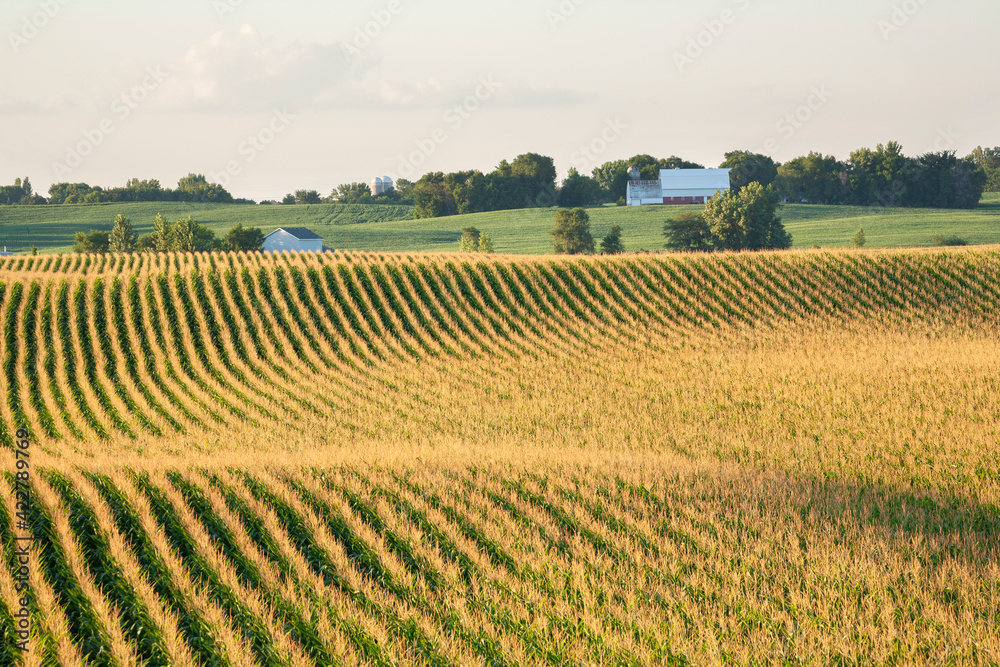
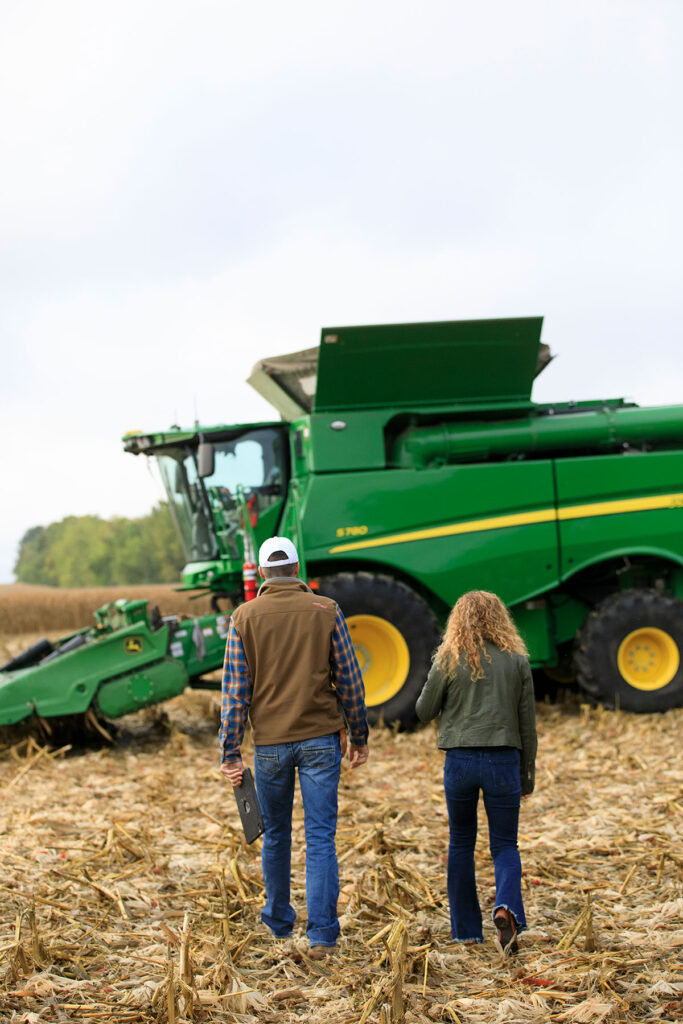
Finding the Next Steward of Your Land
At Hageman Realty, we have the expertise and regional reach to showcase your property to the right audience at the right time. Our extensive network and deep understanding of the market leads to maximum exposure and the best return on the value of your land. We will design a custom selling plan for your specific property, including a strategic analysis of the most advantageous method of sale, whether that looks like an auction or an exclusive listing. As fellow landowners, we’re committed to your best interests and unique goals, not just a quick sale. Learn more about our selling process.
Four generations of Hageman’s have helped landowners in our community make the most of their property sales and transition to the next chapter of their lives. Are you next? Let us help you find the next steward of your property and design the future you’re dreaming of.
Learn More About How Hageman Can Help Your Farmland
Want to know more? See what Hageman has to offer! Download our brochure to learn more about each of our specialties and services.
Empowering You Through Our Expertise
Selling your land is about more than just the transaction; it’s about securing your future and honoring your legacy. At Hageman Realty, we understand the complexities and emotions involved. Leveraging our 45 years of experience, we will guide you through every step of the process, from assessing your property’s value, determining the best method of sale, finding the perfect buyer, and seamlessly executing all the details of your transaction.
We are a full-service agency with specialized expertise in a wide range of areas. This expertise is at your disposal, ensuring you have all the information you need to make informed decisions that are right for you and your property. Learn more about how we can help unlock the full potential of your land.

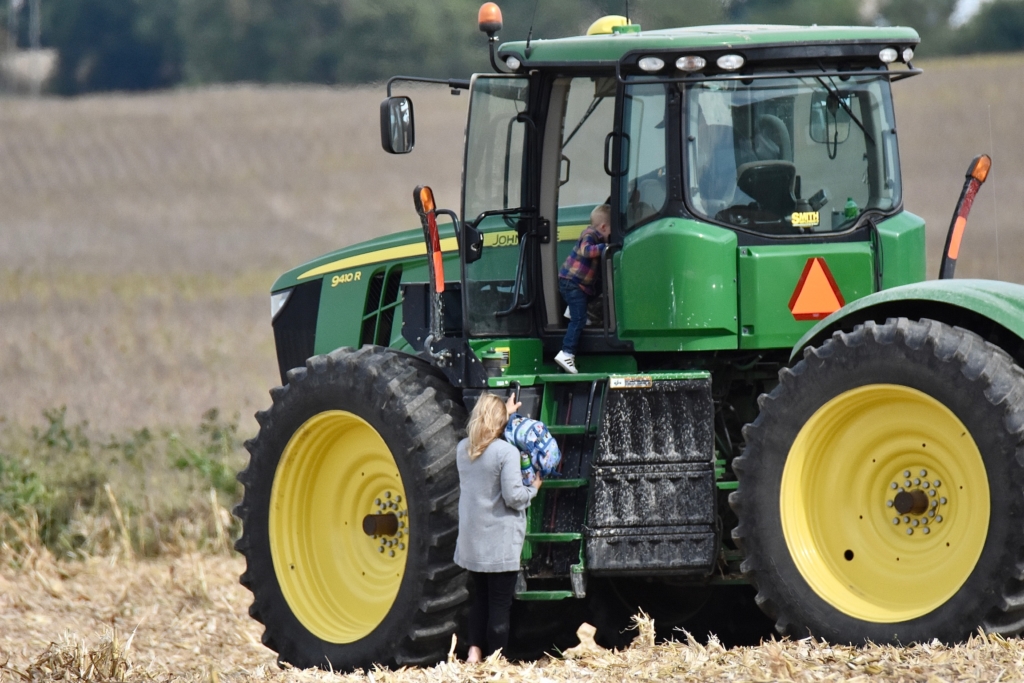
Harvest Through the Eyes of a Farmwife
By: Stephany Jackson As I sit here and write this, we are officially a month into...
Read more
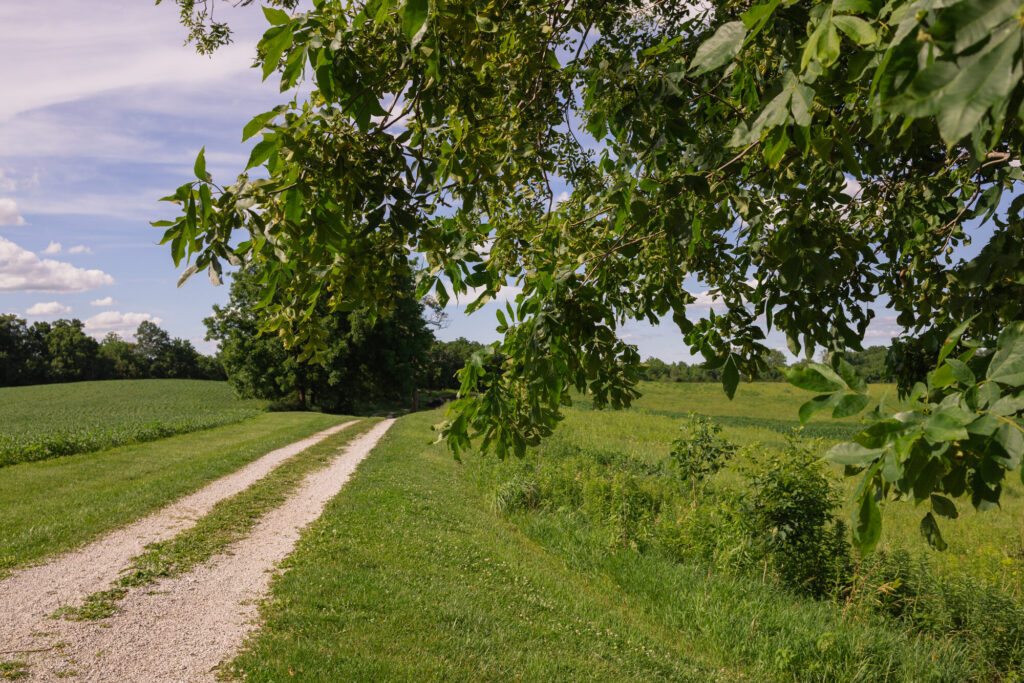
Owning Farmland You Can’t Drive Past
An owner who lives near their farm learns things by driving past. If you don't, here's...
Read more

Before You Bid on Hunting Land: A Walkable Checklist for Habitat, Access, and Neighbor Pressure
A checklist for buying hunting land: access, water, habitat and neighbor pressure, in the order I...
Read more
Simplifying the Complex
Every property, buyer, and seller has unique needs, and navigating each situation’s best approach to taxes, farm management, and the intricacies of land sales can be overwhelming. At Hageman Realty, our team is dedicated to simplifying the process for you. We understand the specific requirements of both buyers and sellers, guaranteeing a seamless transaction and maximizing the value of your land. Leveraging our extensive network and in-depth market knowledge, we will connect you with the right buyers and take care of all the details, allowing you to concentrate on what matters most to you.

Local Insights with a Wider Reach
We occupy the sweet spot of rural real estate: small enough that we intimately know the local area but large enough that our regional reach gives your property maximum exposure. With national reach and our regional expertise across Indiana, Illinois, Wisconsin, Arkansas and Texas, we can give your property wider visibility, attracting a complete pool of qualified buyers.
With your goals and property in mind, we put our decades of experience to work for you. Hageman Realty handles all the details to make it easy for the right buyer to find your land, including marketing, leveraging our extensive list of contacts and connections, and our proven sales strategy. The Hageman Realty closing process is designed to keep things simple for the seller–we handle all the details and give you the information you need to make decisions at key points. Our comprehensive suite of services minimizes your time investment while showcasing your land’s unique value to reach the right buyer for the right return.
Take the Next Step Toward Your Future
Ready to take control of your land’s future and your next opportunity? Want to learn more about our process and how we can help you achieve your goals? We’re here to answer your questions, provide expert guidance, and ensure you get the most out of your land. Let us care for your land and protect your future. Contact us today.
Frequently Asked Questions
What is my farmland worth?
Farmland value depends on state, county, soil productivity (PI, NCCPI, or WAPI), tract size, road access, drainage, and current commodity market conditions. Purdue's 2025 survey put top-quality Indiana tillable ground at $14,826 per acre statewide, with West Central Indiana running $10,135 to $14,388. Illinois cropland averaged $9,850 per acre per USDA NASS, with top-tier ISPFMRA "excellent" tracts at $15,846. Wisconsin cropland averaged $7,250 per acre. Arkansas averaged $4,172 statewide. Texas rural land averaged $5,158 in Q3 2025. Hageman brokers can pull comparable sales statewide across Indiana, Illinois, Wisconsin, Arkansas, and Texas, or coordinate a formal appraisal with an ASFMRA-credentialed rural appraiser when you need one for an estate, partition, or lender.
Will I owe capital gains tax if I sell farmland I've owned for years?
Most farmland sellers pay federal long-term capital gains on the difference between the sale price and basis. For 2026 the federal rate is 0 percent (income up to $49,450 single / $98,900 married), 15 percent in the middle bracket, or 20 percent above $545,500 single / $613,700 married. The 3.8 percent Net Investment Income Tax applies above $200,000 / $250,000 MAGI, though gains where you materially participated in farming may be excluded. State treatment varies sharply: Indiana 2.95 percent flat in 2026, Illinois 4.95 percent flat, Wisconsin offers a 60 percent exclusion on farm asset gains under Wis. Stat. §71.05(6)(b)9m, Arkansas excludes 50 percent of long-term gains with gains above $10 million annually fully exempt, and Texas has no state income tax. Depreciation recapture on improvements is taxed separately at up to 25 percent. Coordinate with a CPA before signing a purchase agreement.
How does a 1031 exchange let me defer taxes when I sell?
A 1031 like-kind exchange (IRC Section 1031) lets you sell farmland and roll the proceeds into other real estate without paying capital gains tax at the time of sale. You have 45 calendar days from closing the sale to identify replacement property in writing, and 180 days to close on the new purchase. A Qualified Intermediary must hold the proceeds the entire time — you cannot touch them. Real estate is broadly like-kind: cropland can exchange into other farmland, recreational tracts, rental commercial real estate, or apartment buildings, as long as both properties are held for business or investment use. Many sellers combine 1031 with "swap till you drop" planning: defer through life, then heirs receive a step-up in basis at death and the deferred gain is erased entirely.
What is step-up in basis and how does it affect my decision to sell or hold?
Under IRC Section 1014, property transferred at death receives a stepped-up basis equal to fair market value on the date of death. For farmland that has appreciated for decades, this can eliminate substantial embedded capital gain for the heirs. Step-up survived the One Big Beautiful Bill Act signed July 4, 2025 — earlier proposals to repeal it did not pass. If you plan to leave the farm to heirs who will then sell, step-up means they pay tax only on appreciation after your death. If you sell during life, you pay capital gains on the full appreciation since you acquired the land. For many landowners with high-appreciation farms held for decades, holding until death and letting heirs sell is the lower-tax outcome.
How do I sell my farmland?
A typical farmland sale follows this sequence: get a comparable sales analysis or appraisal, sign a listing agreement (or auction agreement), prepare the property file (FSA 156EZ records, aerial maps, soil maps, drainage and tile maps, recent yield data, current lease and tenant documentation), execute marketing (drone aerials, print and digital listings, signage, open houses or land tours), receive offers or sell at auction, sign a purchase agreement, complete buyer due diligence (title work, survey, environmental review where needed), and close — typically 30 to 60 days after the agreement. Hageman brokers handle each step and coordinate with your CPA, attorney, and Qualified Intermediary as needed.
Should I list with a broker or sell at auction?
Each format has trade-offs. Auctions create urgency, competitive bidding, and a defined sale date — they work well for high-quality tracts in active markets, for estate sales with a fiduciary duty to maximize value, and for partition action court-ordered sales. Private treaty (broker-listed with negotiated terms) gives you control over timing and price, flexibility for non-price terms, and breathing room to coordinate a 1031 exchange around the 45-day and 180-day deadlines. Industry guidance: strong market favors auction, soft market favors private treaty. Hageman handles both formats and can recommend the right approach for your tract and goals.
How do I sell a portion of my farm without selling the whole thing?
Two main approaches. First, subdivide the farm into smaller legal parcels through your county and sell parcels individually — this requires zoning compliance, surveys, road access verification, and often county minimum acreage rules. Second, use a multi-parcel auction format where one event sells the farm in tracts that bidders can buy individually or as a whole. Schrader Real Estate's M3 multi-parcel system, widely used in the Midwest, can produce hundreds of thousands of bidding combinations on a single farm. Multi-parcel often returns a higher total than selling the whole-farm in one piece because it lets neighbors compete for the specific tracts they want. Hageman can structure either approach.
Should I sell my farmland or rent it out?
Renting keeps the asset, generates ongoing cash flow, and preserves the step-up in basis at death (which erases deferred gain for your heirs). Selling provides immediate liquidity, allows reinvestment via 1031 into other real estate or full diversification, and ends the management overhead. Renting also has tax implications: a cash-rent lease generally does not satisfy the IRC Section 2032A material participation test for special-use estate valuation (which can reduce the federal estate tax base by up to $1,460,000 in 2026), while a crop-share lease with documented landowner involvement often does. How you structure the lease matters as much as whether you rent at all.
Can I sell farmland with a current tenant lease in place?
Yes. Most farmland sales close with the existing tenant's lease intact — the buyer takes the property subject to the lease. State-specific notice requirements apply: Indiana, Illinois, and Wisconsin all have written tenancy rules tied to the crop year. Coordinate sale timing with the crop calendar so neither tenant nor buyer is disadvantaged. Disclose lease terms in the listing so buyers can underwrite the rental income or plan their own operation timeline. Hageman includes lease documentation in every property file.
Is the standing crop in the field sold with the land or separately?
It depends on the purchase agreement and the existing tenancy. If a tenant has a current crop in the ground, the tenant typically retains harvest rights for that crop year regardless of the sale — most leases include this protection. If you own and farm the land yourself, the standing crop is personal property and can be negotiated separately from the real estate sale. Selling the land mid-season while retaining harvest rights yourself is common in retiring-farmer transactions. Always document crop allocation in the purchase agreement so there are no disputes at closing.
Can I sell the land but keep mineral or water rights?
Yes. Mineral rights (oil, gas, coal) and water rights are severable from the surface estate in most jurisdictions, and reservations are common in regions with active extraction or scarce water. Reserving rights at sale typically reduces the sale price because the buyer purchases only the surface estate. If you plan to reserve rights, work with a real estate attorney to draft the reservation language correctly — sloppy reservations can cloud title or create disputes years later. Properties with reliable water rights in drought-prone Texas regions command 15 to 25 percent premiums, so the trade-off between keeping rights and maximizing sale price matters most in those markets.
How quickly can I sell farmland?
A typical timeline runs 8 to 16 weeks from listing to closing. The marketing period (drone aerials, listings, signage, open houses or land tours) typically takes 4 to 8 weeks. Once a buyer is identified, purchase agreement to close runs 30 to 60 days for cash or pre-approved buyers, 60 to 90 days when a 1031 exchange or estate transition is involved. Auction events compress the marketing-to-sale-date timeline because the sale date is fixed in advance — typical auction events run 6 to 8 weeks of marketing then a defined sale day with closing 30 to 45 days later. Estate sales, partition actions, and court-supervised transactions can extend timelines.
A note on these answers: This information is general and not tax or legal advice. Section 1031 transactions, capital gains, estate tax, and state-specific rules are fact-specific — consult a CPA, tax attorney, or Qualified Intermediary experienced in agricultural transactions before acting on any specific question above.
