(219) 261-2000

Indiana Real Estate
With great soil quality, high yields, and an advantageous business and property tax environment, Indiana offers land buyers an unexpected bounty of opportunities. We’ll help you take advantage of all Indiana has to offer and help you navigate the local nuances that make land in this state so unique.
Your Gateway to Indiana Farmland
Add our local knowledge to our 45 years of experience in real estate and farm management, and you are in good hands. Whether you are looking to expand your investments, find a new place to call home, or secure your family’s legacy.
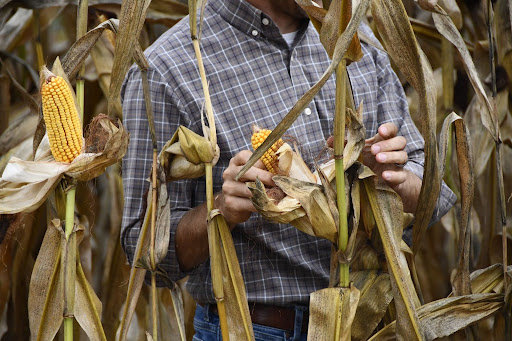
Explore Your Land Investment Options in the Hoosier State
Finding the right farmland in Indiana requires more than just searching for listings; it demands local knowledge and a deep understanding of the agricultural landscape. We began and grew roots in Indiana, and have been helping buyers find their ideal properties here for over 45 years. We’ll lend you our insiders’ knowledge to help you negotiate the best price, select the ideal location, and make sure your new property meets all your business needs.
Our team understands the nuances of the local market, from soil types and water resources to zoning regulations and community dynamics. Your dream of owning productive and profitable Indiana farmland is closer than you think.
Your Indiana Landowning Journey Starts Today
Finding the right farmland in Indiana requires more than just searching for listings; it demands local knowledge and a deep understanding of the agricultural landscape. We were born and raised in Indiana, and have been helping buyers find their ideal properties here for over 45 years. We’ll lend you our insiders’ knowledge to help you negotiate the best price, select the ideal location, and make sure your new property meets all your business needs.
Our team understands the nuances of the local market, from soil types and water resources to zoning regulations and community dynamics. Your dream of owning productive and profitable Indiana farmland is closer than you think.
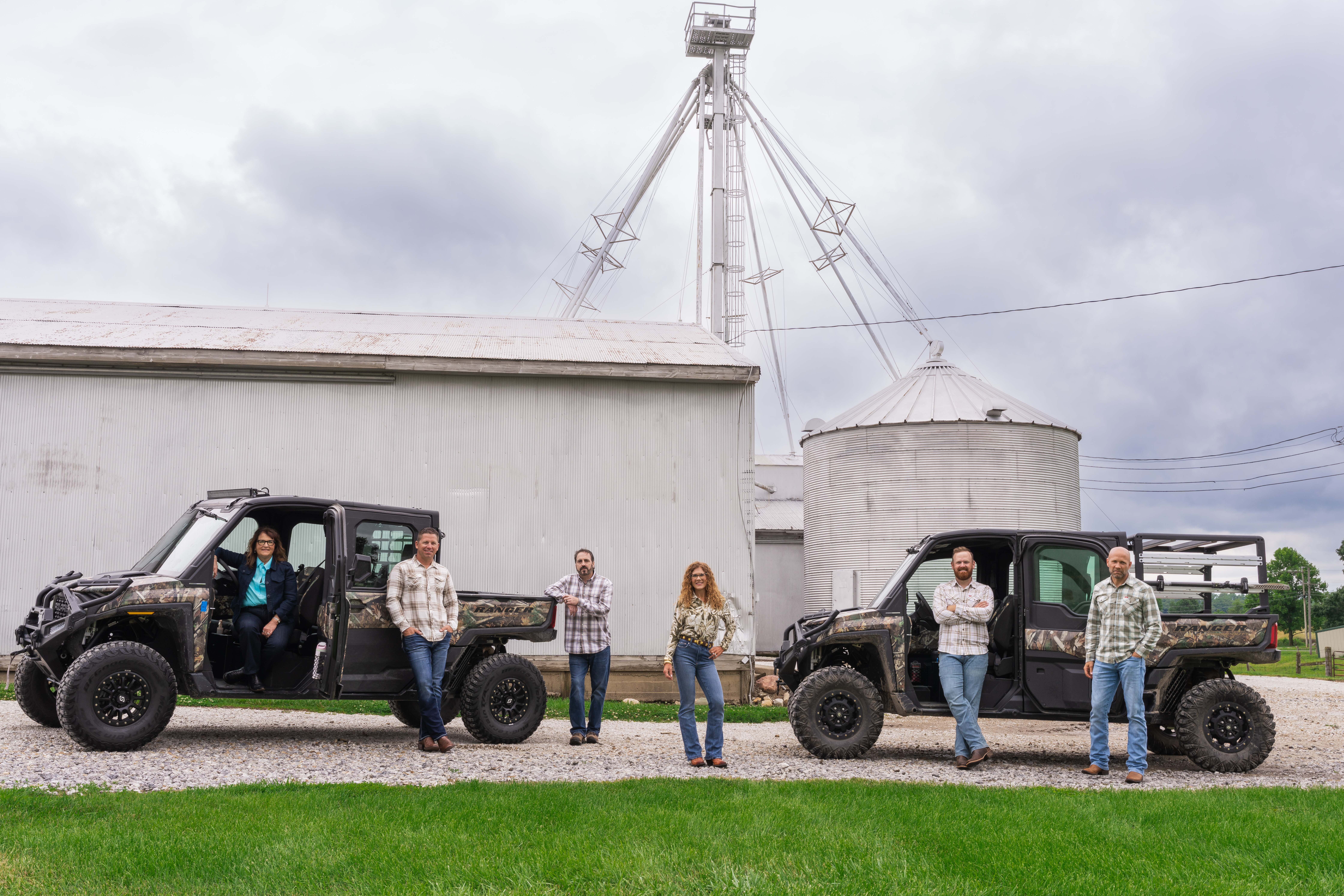
Ready to Sell Your Indiana Land?
Selling your Indiana land doesn’t have to be daunting. Whether life changes have shifted your priorities, the property requires more effort than you anticipated, or you simply need to access your land’s equity, Hageman Realty is here to guide you with confidence. We understand the unique nuances of the Indiana land market and how to make sure you maximize your returns.
Hageman Realty combines deep-rooted Indiana expertise with far-reaching marketing across the region. Whether it’s navigating complex regulations or maximizing your land’s value, we’re here to help with the details and find the next steward of your land.
Your Partner in Indiana
Ready to find your ideal Indiana partner? Contact Hageman Realty today, and we’ll guide you through the process for buying, selling, or optimizing your land. With our help, you can find and manage your ideal Indiana land investment with confidence that you’ve secured the best possible deal with potential for the future. Or if you’re ready for the next chapter of your legacy, we’ll help you determine the next steps for your land investments.
Opportunity awaits. Contact us today, and let’s get started.
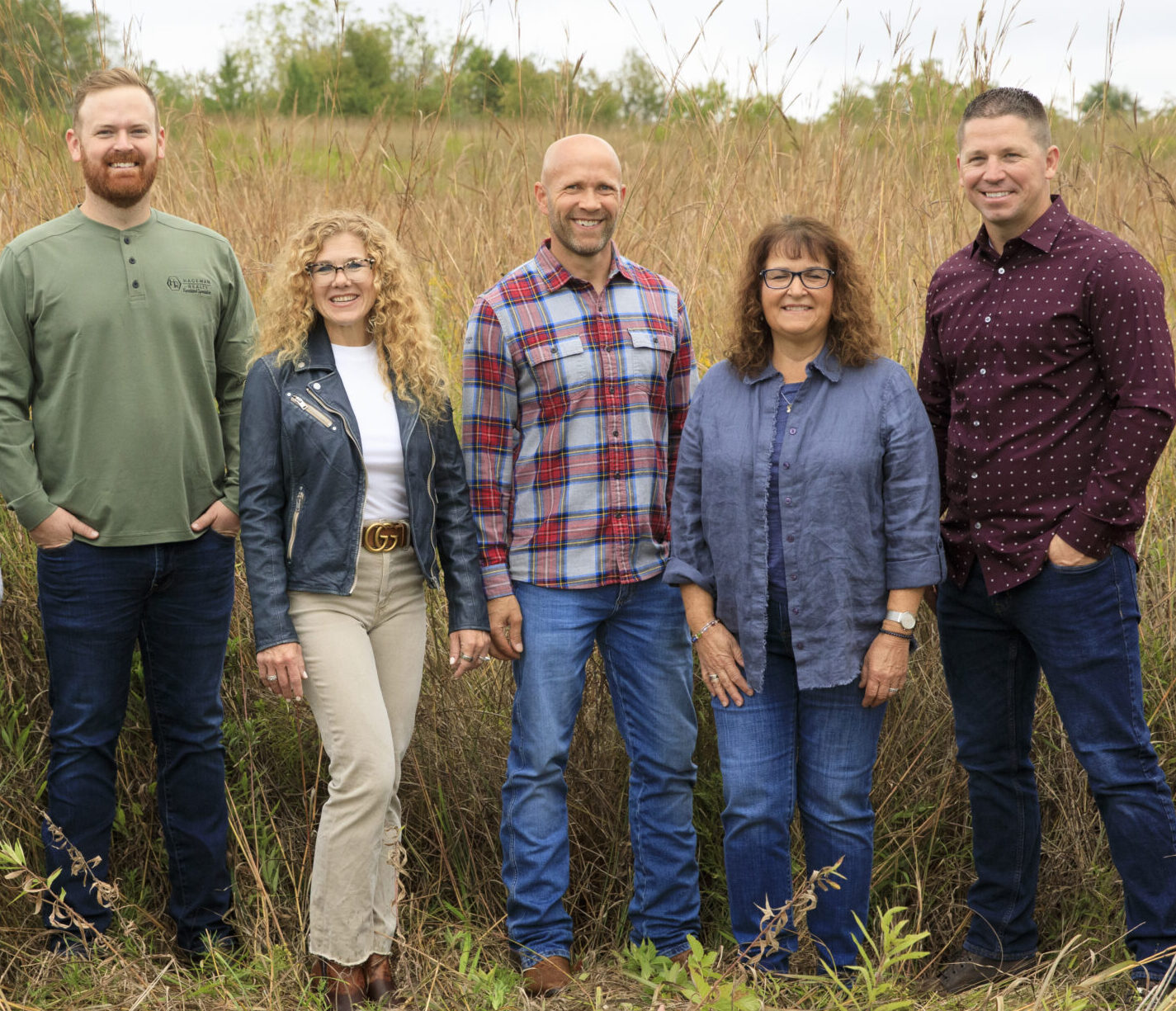
Indiana: A Landowner's Guide to the Crossroads of America
Indiana, known as the “Crossroads of America,” is a state rich in agricultural heritage and natural beauty. From fertile plains to rolling hills, Indiana offers a diverse landscape that supports a thriving agricultural industry and provides a haven for outdoor enthusiasts.
This guide explores the state’s history, population, major cities, farmland, and recreational opportunities, offering insights for rural landowners and those exploring land investment opportunities in Indiana.
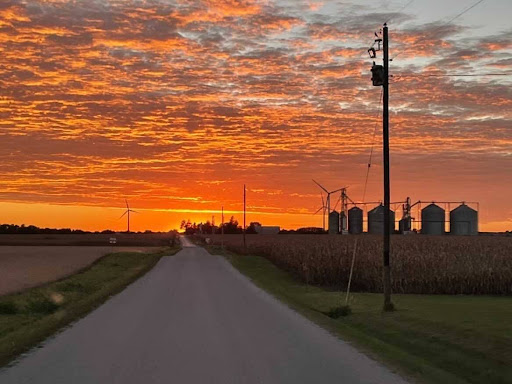
A Brief History of Indiana
For thousands of years, the state now known as Indiana was inhabited by Native American tribes, including parts of the Hopewell Tradition and, later, the Miami and Shawnee tribes. When European settlers arrived in the 18th century, they found the state’s soil and favorable climate an ideal location for farming, and agriculture quickly became a strong foundation of Indiana’s economy. Corn and wheat production have long been strongholds in Indiana agriculture, and today, Indiana continues to contribute significantly to the nation’s food supply.
Indiana’s Population and Major Cities
As of 2024, Indiana’s population is around 6.8 million people. Major cities include Indianapolis, the state capital, known for its vibrant cultural scene and motorsports heritage; Fort Wayne, a hub for manufacturing and healthcare; and Evansville, a river city with a strong industrial base. County seats, often smaller towns, serve as centers of local government and community life and often have close-knit communities.
According to the 2017 Census of Agriculture, top agricultural counties in Indiana include:
- Dubois County (seat: Jasper, Indiana) consistently ranks high in market value, with a focus on poultry and grain production.
- Elkhart County (seat: Goshen, Indiana), which has both a high number of farms and market value for their products. Farmers in Elkhart County primarily focus on dairy farming but also produce grain and poultry production.
- Jay County (seat: Portland, Indiana), which has strong livestock production and has a high market value of agricultural products sold.
- Jasper County (seat: Rensselaer, Indiana), a market value powerhouse with a diverse range of products, including grain crops, livestock, and poultry.
- LaGrange County (seat: LaGrange, Indiana), which has more farms than any other county in Indiana! Dairy, grain, and poultry are common in LaGrange County.
As our home state, Hageman Realty has a particularly deep understanding of the following Indiana counties:
- Benton County (seat: Fowler, Indiana): A powerhouse in corn and soybean production, often ranking high in yields. The county also has a growing wind energy sector, with turbines sharing the landscape with farm fields.
- Boone County (seat: Lebanon, Indiana): A rapidly developing county with a mix of agriculture and suburban growth. Still has significant grain and livestock production, but also known for its agritourism and farmers’ markets.
- Carroll County (seat: Delphi, Indiana): Known for its large-scale hog production and meat processing industry. Also has significant grain farming, contributing to its strong agricultural economy.
- Clay County (seat: Brazil, Indiana): Historically known for coal mining, but agriculture remains important. Focuses on grain and livestock production, with some emphasis on beef cattle.
- Clinton County (seat: Frankfort, Indiana): A strong agricultural county with a mix of grain farming, livestock (hogs and cattle), and some specialty crops.
- Fountain County (seat: Covington, Indiana): Known for its fertile soil and productive grain farms, with corn and soybeans being the primary crops.
- Montgomery County (seat: Crawfordsville, Indiana): Home to a mix of grain farming and livestock, with a strong presence of Purdue University’s agricultural research and extension programs.
- Newton County (seat: Kentland, Indiana): A major player in grain production, with a focus on corn and soybeans. It’s also known for its significant livestock production, particularly hogs and cattle.
- Owen County (seat: Spencer, Indiana): Known for its scenic hills and forests, with agriculture playing a role in the local economy. Has a mix of grain farming, livestock (beef cattle), and some smaller farms with diversified production.
- Vigo County (seat: Terre Haute, Indiana): Known for grain farming, livestock, and some fruit and
- Warren County (seat: Williamsport, Indiana): Predominantly focused on grain production, with corn and soybeans as the main crops.
- White County (seat: Monticello, Indiana): A diverse agricultural county with a mix of grain farming, livestock (hogs and poultry), and some dairy farms.
What is Indiana’s Farmland Like?
Indiana’s fertile soil and diverse climate support a variety of crops and livestock, dominated by corn and soybeans. Other important crops include wheat, hay, and tomatoes. Livestock production is also significant, with hogs, cattle, and poultry being raised throughout the state.
In national rankings, Indiana is the
- #1 producer of ducks;
- #2 producer of popcorn, chickens, and total eggs;
- #3 producer of spearmint, tomatoes, and cover crops;
- #4 producer of pumpkins, peppermint, and turkeys; and
- #5 producer of corn (for grain), watermelon, and hogs.
The soil makeup varies across the state, with fertile loam soils common in the central and northern regions and clay and sandy soils in the south. This diversity allows for a range of agricultural practices.
Farmland-specific service businesses thrive in Indiana, including grain elevators, farm equipment dealerships, seed and fertilizer suppliers, and agricultural cooperatives. These businesses play a vital role in supporting Indiana’s farming industry and ensuring its continued success.
Indiana’s state and local governments are invested in the success of its agricultural industry. Agricultural land in Indiana is assessed based on its use value instead of fair market value, which can reduce property taxes for landowners. Right-to-farm laws protect farmers from nuisance lawsuits filed by neighbors over common farming practices. The Indiana State Department of Agriculture provides various grants, loans, and programs supporting farmers, including new farmers’ initiatives, conservation efforts, and agricultural development. Purdue Extension also serves as a valuable resource for Indiana farmers by sharing research-based information and resources on topics like crop production, livestock management, and farm business planning.
What Kind of Outdoor Recreation is There in Indiana?
Indiana has a robust hunting culture that attracts hunters from across the country. White-tailed deer are the most popular game animal, with hunting seasons for archery, firearms, and muzzleloader. Other game species include wild turkey, waterfowl, gamebirds (including pheasant, grouse, and quail), small game (including rabbits and squirrels, and furbearers (including foxes, raccoons, opossums, and beaver).
The state’s diverse landscape provides a variety of hunting environments, from hardwood and conifer forests and rolling hills to wetlands and agricultural fields. Public hunting is popular at Morgan-Monroe State Forest, Yellowwood State Forest, and Hoosier National Forest, but hunters primarily seek access to private lands for the best hunting experiences. Hunting licenses and permits are required, and hunters must adhere to state regulations and seasons.
Indiana also boasts excellent fishing opportunities, with numerous lakes, rivers, and streams. Popular species includie largemouth bass, smallmouth bass, crappie, bluegill, catfish, and walleye. Monroe Lake, Patoka Lake, and the Wabash River are popular fishing destinations, offering diverse habitats and ample shoreline access. The Indiana Department of Natural Resources actively manages fisheries, stocking popular species and providing public access to ensure rewarding experiences for anglers of all skill levels.
Buying Land in Indiana
Land buyers in Indiana should be aware of the state’s prime agricultural landscape, characterized by fertile soil and excellent water resources, particularly in the northern and central regions of the state. While row crops dominate the agricultural landscape, there’s also strong potential for recreational land investment.
A favorable tax environment and strong tenant pool make Indiana attractive for landowners and investors. However, it’s crucial to consider the impact of urban sprawl on certain areas, and understanding local nuances related to soil types, water rights, and regulations is essential. Partnering with experts with in-depth knowledge of Indiana’s land market can provide valuable guidance throughout the buying process.
Hageman Realty, with its four generations of deep roots in Indiana and extensive experience in farmland transactions, is committed to providing personalized service and expert guidance to help meet each client’s individual goals and vision. Whether you’re a seasoned landowner or new to Indiana’s agricultural landscape, we are your trusted partner in navigating the complexities of farmland ownership. We’re committed to helping you achieve your goals and secure your future in the Hoosier State.
Recent Blog Posts
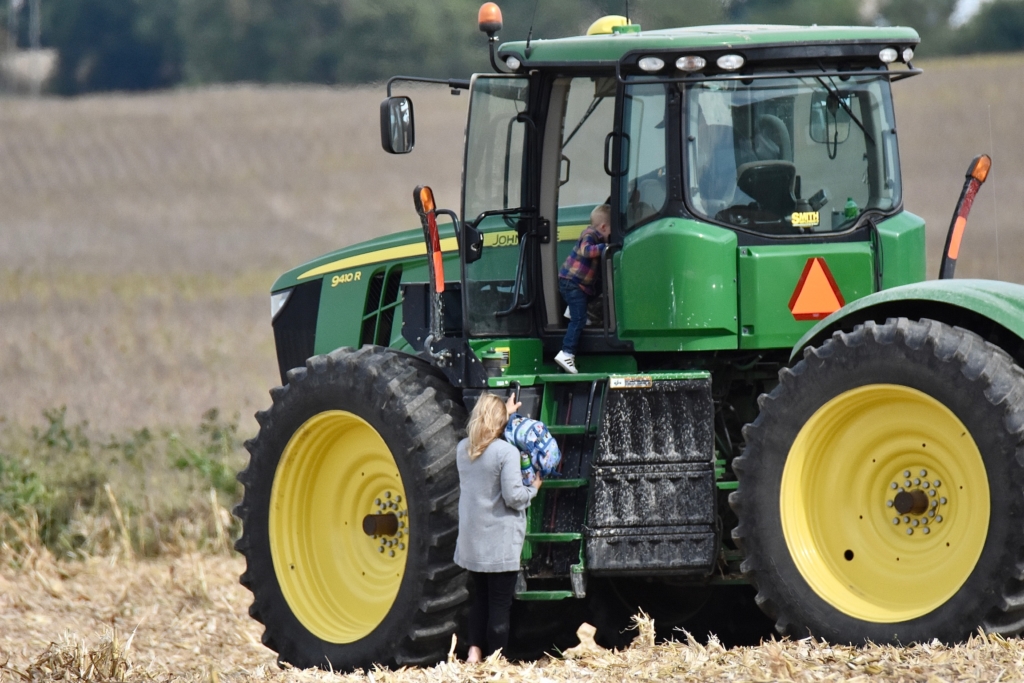
Harvest Through the Eyes of a Farmwife
By: Stephany Jackson As I sit here and write this, we are officially a month into...
Read more

Cash Rent vs. Crop Share: Which Lease Fits Indiana Landowners
Written by: Hinnerk Wolters, Broker The question a landowner asks is, “Which lease pays more?” The...
Read more
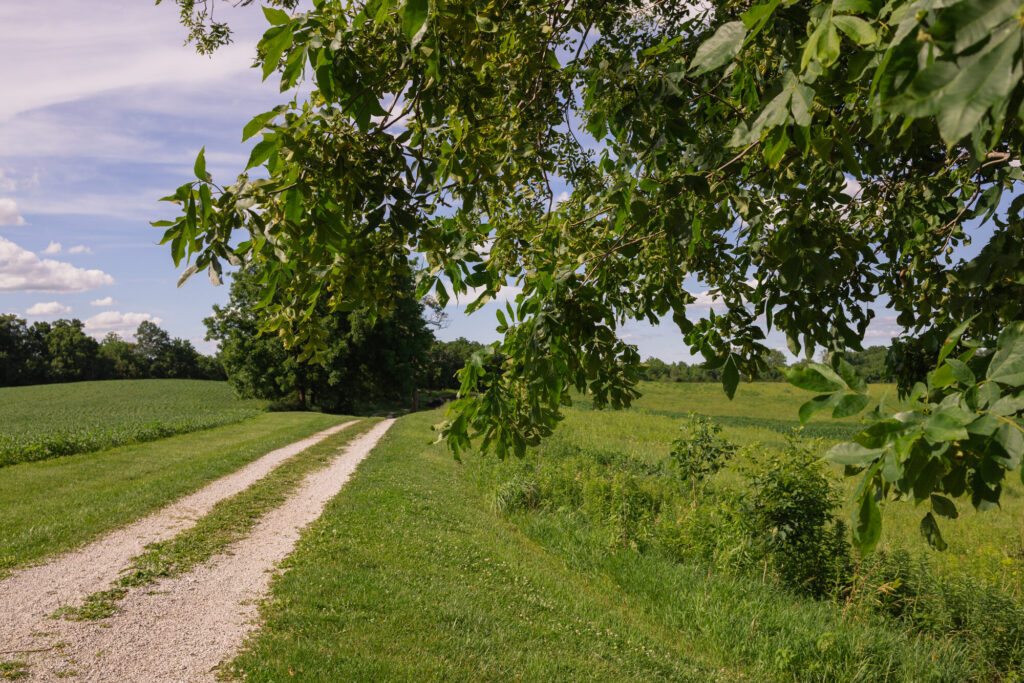
Owning Farmland You Can’t Drive Past
An owner who lives near their farm learns things by driving past. If you don't, here's...
Read more
Frequently Asked Questions
What is the average price of farmland in Indiana?
Per Purdue's 2025 Farmland Values Survey, top-quality Indiana tillable ground averaged $14,826 per acre statewide, average-quality $12,254, and poor-quality $9,761. West Central Indiana — where Hageman has concentrated transaction history — ranged from $10,135 to $14,388 per acre. Hamilton County (north of Indianapolis) commanded the highest premiums at $18,327 per acre in Q1 2025 and $22,970 average in 2024, reflecting development pressure. Recreational and timber land averaged $9,542 per acre statewide in 2025 (up 18 percent year-over-year). Hageman has served Indiana landowners statewide since 1976, with concentrated transaction history in Benton, Jasper, White, Newton, Tippecanoe, Fountain, Montgomery, Warren, and Vermillion counties.
How does Indiana's property tax on farmland work?
Indiana assesses farmland on a statutory base rate adjusted by each parcel's soil productivity factor — not on market value. The 2026 base rate is $2,120 per acre, down from $2,390 in 2025 because Senate Enrolled Act 1 (signed April 2025) raised the capitalization rate in the DLGF formula from 8 to 9 percent. The change sunsets after 2027. Each parcel's per-acre value is then multiplied by its Weighted Average Productivity Index (WAPI) from the Dideriksen unirrigated corn-yield model, with influence-factor adjustments for issues like frequent flooding. The Indiana Department of Local Government Finance publishes the annual memo.
How do I buy farmland in Indiana?
Most Indiana farmland purchases go through ag-focused lenders (Farm Credit, regional banks with ag departments, specialty lenders). Indiana requires a state real estate broker license to handle the transaction; Hageman holds an Indiana brokerage license and serves landowners statewide. Buyers complete title work, survey, and FSA records review during the typical 30 to 60-day closing period. Indiana HB 1183 (signed 2024, with the broader prohibition effective July 1, 2026) restricts ag-land acquisition by individuals or entities tied to federally designated foreign adversaries — currently China, Russia, North Korea, Iran, Venezuela, and Cuba. The closing affidavit affirming the buyer is not a covered foreign adversary is required now; the enforcement and divestiture mechanism takes effect July 2026.
How do I sell farmland in Indiana?
Indiana sales follow the standard farmland workflow: comparable sales analysis or appraisal, listing agreement (or auction agreement), property file prep (FSA 156EZ, aerial maps, soil and PI maps, drainage and tile maps, lease documentation), marketing, offers or auction, purchase agreement, buyer due diligence, close. Indiana imposes a flat 2.95 percent state income tax on capital gains in 2026, scheduled to drop to 2.90 percent in 2027. Indiana has no state estate or inheritance tax. Hageman handles auction and private treaty sales statewide in Indiana and coordinates with the seller's CPA and Qualified Intermediary on any 1031 exchange.
Why work with an Indiana-based farmland broker?
Indiana brokers must complete 90 hours of pre-licensing education plus a state and national exam, then 30 hours of post-licensing within 24 months and 12 hours of continuing education annually. While generalist real estate brokers can legally handle ag transactions, they typically lack working knowledge of Indiana's WAPI soil productivity system, DLGF base-rate impact on cap-rate pricing, county-specific drainage and tile law, and Indiana's Corn Belt buyer pool. Hageman is based in Remington, Indiana (Jasper County) and has served Indiana landowners statewide since 1976, with concentrated transaction history in Benton, Jasper, White, Newton, Tippecanoe, Fountain, Montgomery, Warren, and Vermillion counties. Sara Hageman Schenck holds the Accredited Land Consultant (ALC) credential from the REALTORS Land Institute — the highest land-specialty designation in the United States.
What counties does Hageman Realty serve in Indiana?
Hageman serves landowners in every county in Indiana. Concentrated transaction history is in Benton, Jasper, White, Newton, Tippecanoe, Fountain, Montgomery, Warren, and Vermillion counties, but Hageman's Indiana brokerage license covers the full state.
What's happening with solar and data center pressure on Indiana farmland?
Mammoth Solar in Pulaski, Starke, and White counties is the bellwether — a 1.3 gigawatt project covering 13,000 acres under 30-year leases at multiples of current farm cash flow. Statewide, the Federal Reserve Bank of Chicago AgLetter specifically cites solar, wind, and real estate development as Indiana value drivers, and Purdue's research spotlight quantifies solar lease impacts on per-acre prices. Land transitioning out of agricultural production (residential, commercial, data centers, solar) averaged $29,043 per acre in 2025 — roughly twice the cropland average — though down 5.3 percent from 2024 as scrutiny increased. Owners considering a solar or data-center lease should evaluate the long-term implications on future sale price and family inheritance carefully before signing.
What makes Indiana farmland different from other Corn Belt states?
Indiana sits at the eastern edge of the Corn Belt with 53,000+ farms, 14.6 million acres, and an average farm size of 272 acres (2022 USDA Census). About 94 percent of Indiana farms are family-owned. Indiana ranks sixth nationally in ethanol production at roughly 1.4 billion gallons per year from 15 biorefineries, giving in-state corn and soybean demand a structural floor. Purdue Extension operates in all 92 counties and publishes the most-cited authority on Indiana land values (the annual Farmland Values and Cash Rents Survey). Indiana led the Seventh Federal Reserve District in farmland appreciation in 2025 at +9 percent year-over-year.
A note on these answers: This information is general and not tax or legal advice. Tax rules, foreign-buyer restrictions, and state-specific assessment formulas change — consult a CPA, tax attorney, or licensed broker before acting on any specific question above.
