(219) 261-2000

Texas Real Estate
Texas, with its vast acreage and diverse agricultural production, offers immense potential for farmland and ranch investors. Because of its size, the state offers a diversity of terrain to choose from, which, combined with a long growing season and optimal private property rights for landowners, makes it an attractive state for land investment.
Embrace the Vast Potential of Texas Farmland
We understand the unique challenges and opportunities of such a dynamic land market, from water rights and land management to crop selection and livestock production.
Hageman Realty’s robust network in the Lone Star State provides valuable connections and local expertise to navigate this powerful market. Let our team help you find the perfect property to embrace the vast potential of Texas agriculture.
Explore Your Land Investment Options
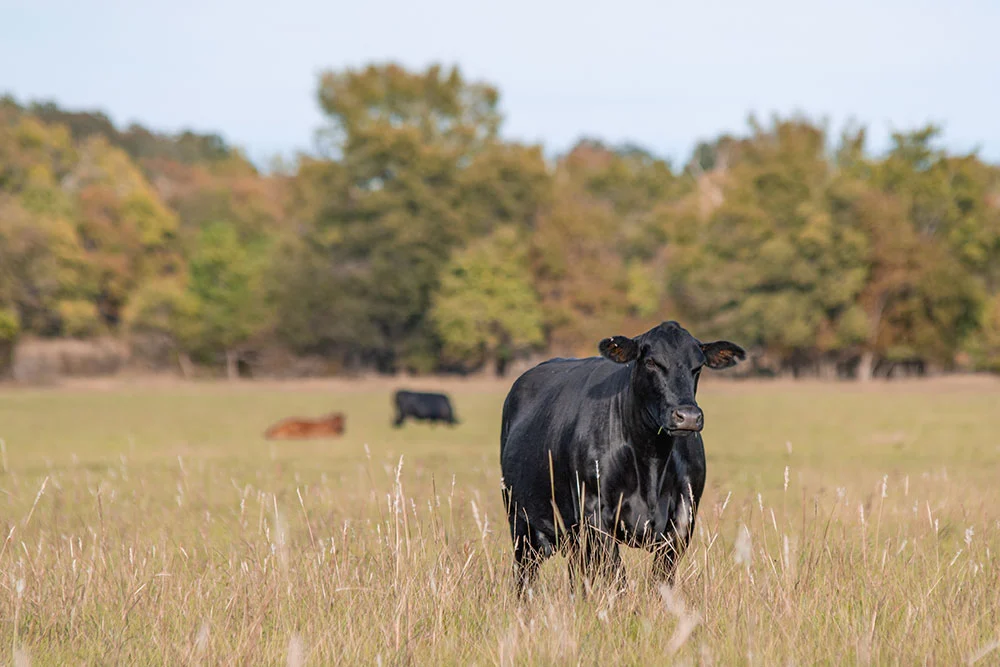
Explore our listings, featuring a wide array of farmland properties and recreational land. Discover the perfect place to plant your roots and grow your land investment legacy.
Land Your Piece of Texas
Texas is known for its abundance of opportunity, but you need a local guide who can help you navigate its extensive landscape. With 45 years of experience owning and managing our own land in Texas, Hageman Realty is your trusted partner in navigating the diversity of the state’s land. Rely on our Texas land expertise for guidance in market projections, regional land nuances, and leveraging the state’s business environment. We’ll help you find the perfect property to match your vision, whether it’s a sprawling ranch, prime farmland, or a recreational getaway.
Sell Your Land with Confidence in Texas
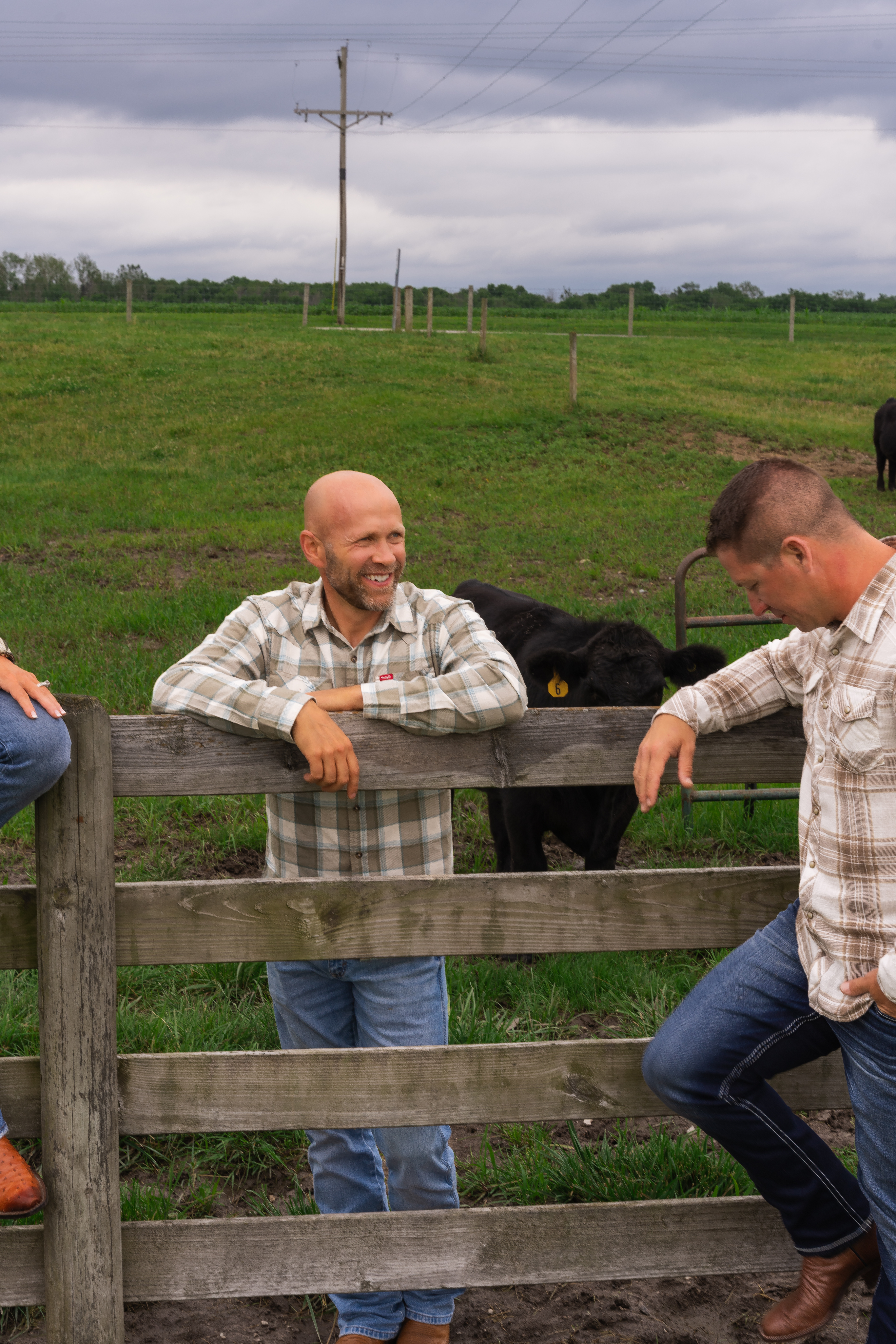
Maximize your return when selling your Texas land. Hageman Realty will help you strategize the best possible sale for your property, utilizing beneficial tax and finance tactics specific to the state and harnessing the unique Texas land market. We understand the intricacies of the Texas land market and our unmatched local and regional network will connect you with the right buyers, ensuring a successful and rewarding sale.
Let us handle the details–from listing to marketing and closing–while you focus on your next opportunity.
Your Texas Landowning Journey Starts Today
Hageman Realty is here to help you navigate the vast, complex landscape of rural Texas real estate. With so much opportunity, we’re your guide to the best investment and land choices that align with your individual vision and goals. Our team is here to guide you every step of the way, from designing your vision, finding the property that’s the right fit, optimizing tax and finance issues, and handling all the closing details. Let’s get started today.
Texas Farmland: A Landowner's Guide to the Lone Star State
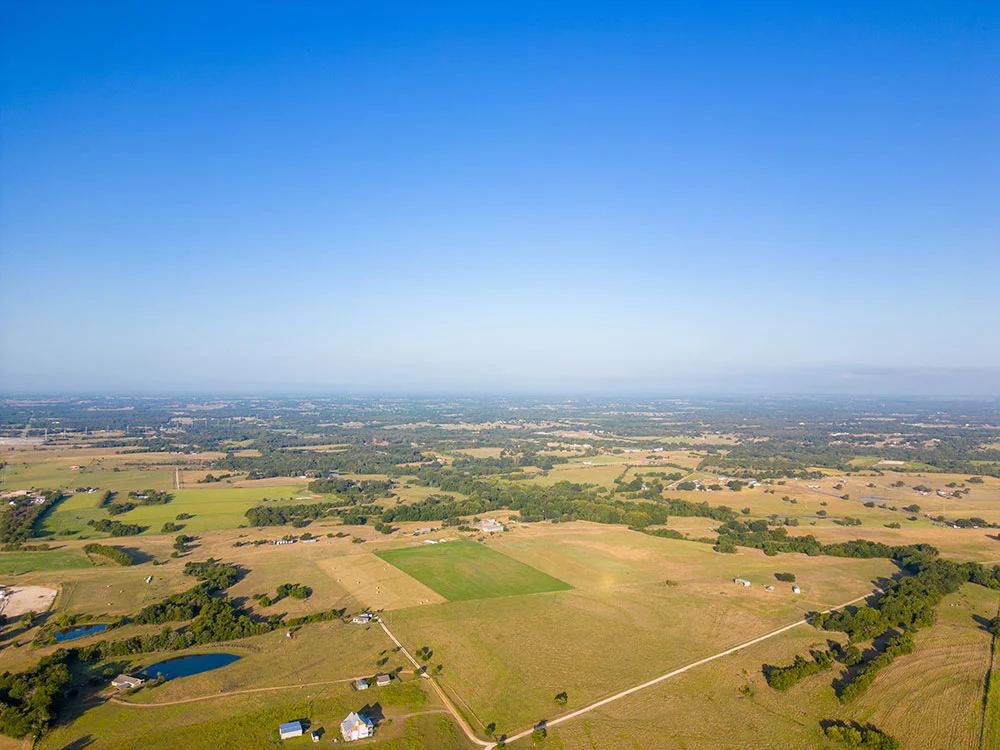
Texas, the “Lone Star State,” is synonymous with wide-open spaces, a strong independent spirit, and a rich agricultural heritage. From its fertile plains to its rugged deserts, Texas offers a diverse landscape that supports a thriving agricultural industry and provides ample opportunities for those seeking to connect with the land.
This guide explores Texas’ history, population, major cities, farmland, and recreational activities, providing valuable insights for landowners and potential buyers.
Texas History
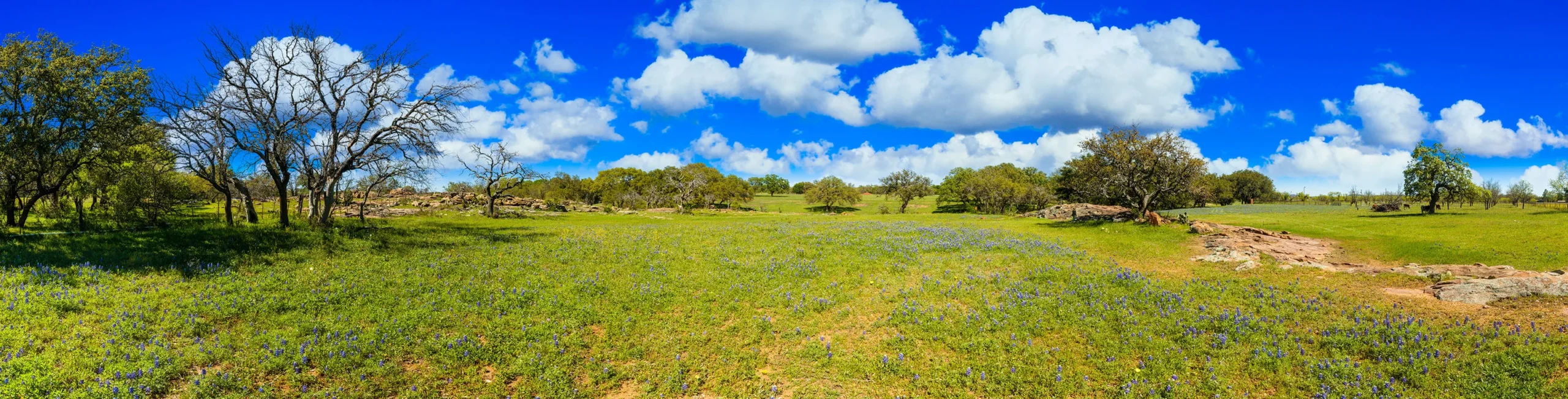
Diverse indigenous groups like the Caddo, Apache, and Comanche populated Texas until Spanish explorers arrived in the 16th century, establishing missions and settlements. When Mexico gained independence from Spain, Texas, which was then part of Mexico, attracted American settlers. This led to the Texas Revolution and the establishment of the Republic of Texas in 1836. Texas joined the United States in 1845, a move that contributed to the Mexican-American War. The state’s history is marked by its vast frontier, cattle ranching, and the discovery of oil.
Texas’s Population and Major Cities
Texas is the second most populous state in the U.S., with nearly 30 million residents. Its major cities are vibrant hubs of economic activity and cultural diversity. Austin, the state capital, is known for its thriving tech scene and live music. Houston, a global energy industry center, boasts a diverse population and a strong economy. San Antonio, rich in history and culture, is a popular tourist destination. Dallas is a major commercial and financial center.
Even with 85% of the population in urban areas, the vast majority of Texas’s land is considered rural. Communities look to their county seats, often smaller towns or cities, a hubs for local government and community life.
According to the 2017 Census of Agriculture, top agricultural counties in Indiana include:
- Deaf Smith County (seat: Hereford, Texas) is known as the “Beef Capital of the World” due to its dominance in cattle production.
- Castro County (seat: Dimmitt, Texas) provides ample space and favorable conditions to be another major player in cattle production, alongside extensive cotton and grain farming.
- Parmer County (seat: Farwell, Texas) is a leader in cotton production, with vast fields dedicated to this crop. It also has significant dairy and cattle operations.
- Lamb County (seat: Littlefield, Texas) is known for its cotton and grain production and has a growing wine industry.
- Hale County (seat: Plainview, Texas): This county is a significant producer of cotton and sorghum and a growing dairy industry.
What is Texas' Farmland Like?
Texas’s diverse climate and vast landscape support a wide array of agricultural production, with a focus on cattle, cotton, and grains. The state’s agricultural diversity is immense, encompassing everything from citrus fruits in the Rio Grande Valley to peanuts on the plains and timber in the Piney Woods. Livestock production reigns supreme, with Texas leading the nation in cattle and sheep numbers.
In national rankings, Texas is the
- #1 producer of cattle and calves;
- #1 producer of cotton and cottonseed;
- #1 producer of hay;
- #4 producer of dairy products and milk; and
- #5 producer of broilers and chicken eggs.
The soil makeup varies dramatically across the state, from the fertile blackland prairies to the sandy soils of the Coastal Plains and the arid landscapes of West Texas. This diversity allows for a range of agricultural practices, each adapted to the specific conditions of the region.
Farmland-specific service businesses thrive in Texas because of the scope of its agricultural activity, including feed stores, livestock auction barns, cotton gins, grain elevators, irrigation equipment suppliers, and agricultural lenders. Texas has become a central hub for many national agriculture business powerhouses, each ensuring they have a state presence. These companies, combined with local, smaller farm support businesses, play a vital role in supporting Texas’s farming and ranching industries.
Texas’s state and local governments are deeply invested in the success of its agricultural industry. The Texas Department of Agriculture provides resources and support to farmers and ranchers, including marketing programs, regulatory oversight, and disaster relief assistance. Texas A&M AgriLife Extension Service offers educational programs and research-based information to help producers improve their operations and profitability. Various other state and local programs offer financial assistance, such as grants and loans, to support agricultural development and conservation efforts.
What Kind of Outdoor Recreation is There in Texas?
Texas, with its sprawling landscapes and diverse ecosystems, has a vast variety of places and species to hunt and a robust hunting culture. White-tailed deer are a prized game animal, with healthy populations found throughout the state. Texas also has excellent hunting for Rio Grande turkey, dove, quail, and ducks and geese during the winter months. Guadalupe Delta Wildlife Management Area, Chaparral Wildlife Management Area, and Sam Houston National Forest are all popular among hunters visiting or living in the state.
Anglers in Texas have an abundance of rivers, lakes, and reservoirs teeming with fish. Largemouth bass reign supreme, and legendary lakes like Lake Fork and Ray Roberts Lake State Park attract anglers seeking trophy catches. Catfish, including channel cats, blue cats, and flatheads, are also popular. On the Gulf Coast, anglers catch redfish, speckled trout, and flounder.
Texas Parks and Wildlife Department actively manages the state’s fish and wildlife resources, ensuring sustainable populations and ample public access. Numerous Wildlife Management Areas and state parks provide excellent hunting and fishing grounds. Hunting licenses and permits are required, and hunters must adhere to state regulations and seasons.Buying Land in Texas
Texas, with its sprawling landscapes and diverse ecosystems, has a vast variety of places and species to hunt and a robust hunting culture. White-tailed deer are a prized game animal, with healthy populations found throughout the state. Texas also has excellent hunting for Rio Grande turkey, dove, quail, and ducks and geese during the winter months. Guadalupe Delta Wildlife Management Area, Chaparral Wildlife Management Area, and Sam Houston National Forest are all popular among hunters visiting or living in the state.
Anglers in Texas have an abundance of rivers, lakes, and reservoirs teeming with fish. Largemouth bass reign supreme, and legendary lakes like Lake Fork and Ray Roberts Lake State Park attract anglers seeking trophy catches. Catfish, including channel cats, blue cats, and flatheads, are also popular. On the Gulf Coast, anglers catch redfish, speckled trout, and flounder.
Texas Parks and Wildlife Department actively manages the state’s fish and wildlife resources, ensuring sustainable populations and ample public access. Numerous Wildlife Management Areas and state parks provide excellent hunting and fishing grounds. Hunting licenses and permits are required, and hunters must adhere to state regulations and seasons.
Recent Blog Posts
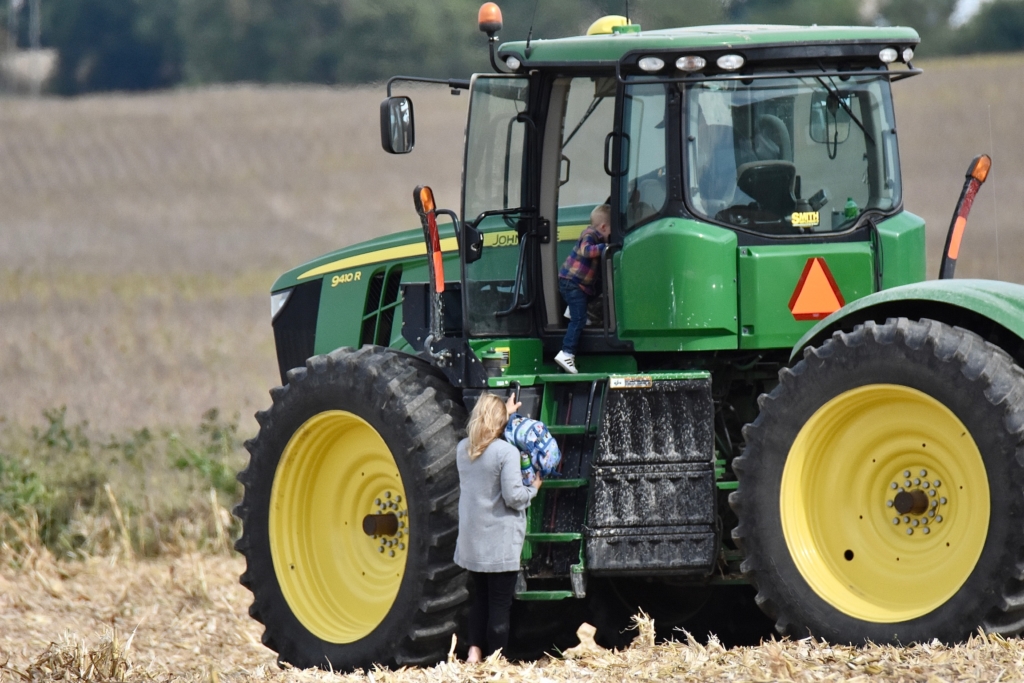
Harvest Through the Eyes of a Farmwife
By: Stephany Jackson As I sit here and write this, we are officially a month into...
Read more

Cash Rent vs. Crop Share: Which Lease Fits Indiana Landowners
Written by: Hinnerk Wolters, Broker The question a landowner asks is, “Which lease pays more?” The...
Read more
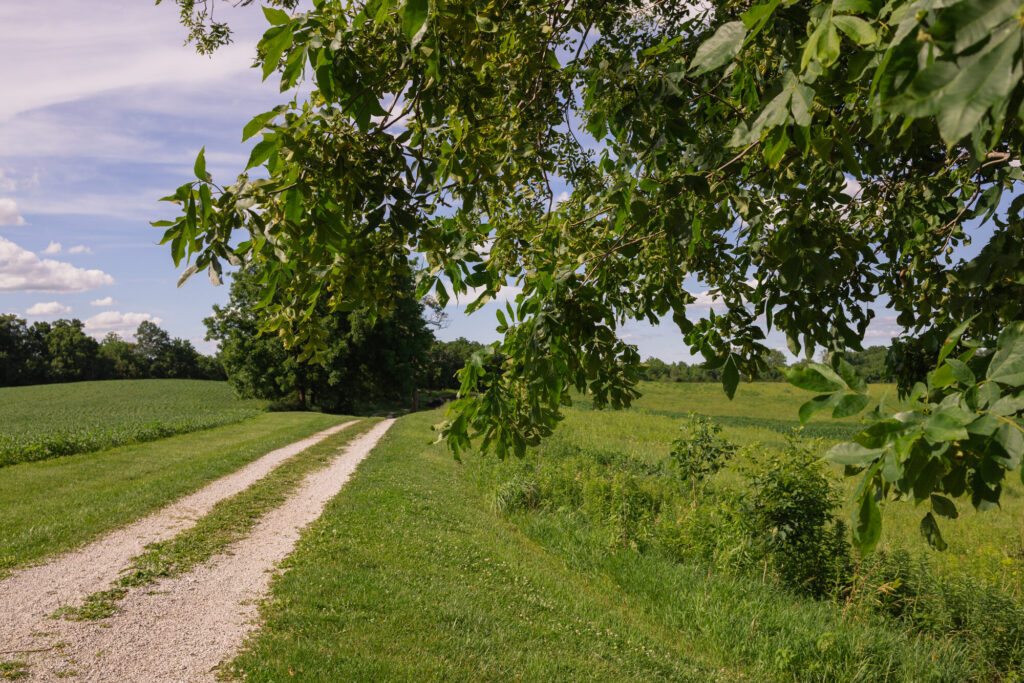
Owning Farmland You Can’t Drive Past
An owner who lives near their farm learns things by driving past. If you don't, here's...
Read more
Frequently Asked Questions
What is the average price of farmland and ranch land in Texas?
Texas rural land averaged $5,158 per acre in Q3 2025 and closed Q4 2025 at $5,214 per acre per the Texas Real Estate Research Center at Texas A&M. Regional pricing varies dramatically: Panhandle and South Plains $1,862 per acre (drought-prone, Ogallala-irrigated); Far West Texas $2,787; West Texas $2,878; Austin-Waco-Hill Country $7,704 to $7,911 (Edwards Plateau, recreational and wildlife premium); Northeast Texas $9,313; Gulf Coast and Brazos Bottom $11,423 to $11,502 per acre (rice and row-crop demand). South Texas brush country ranches typically run $3,000 to $6,000 per acre depending on water, fencing, and game improvements. Falls County recorded the state's highest 2025 pastureland cash rent at $21 per acre.
What are Texas Propositions 2 and 8 from November 2025?
In November 2025, Texas voters approved two constitutional amendments that materially affect farmland owners. Proposition 2 prohibits the legislature from imposing any tax on realized or unrealized capital gains of individuals, estates, and trusts. Proposition 8 prohibits any state estate, inheritance, legacy, succession, gift, or generation-skipping transfer tax. Proposition 8 passed in 253 of 254 counties. Texas had repealed its inheritance tax via SB 752 in 2015; Proposition 8 makes that constitutional. For Texas farmland sellers, the constitutional locks guarantee no state capital gains tax layered on top of federal long-term capital gains, and no state estate tax — meaningful advantages over states like California (13.3 percent capital gains) or Illinois ($4 million estate tax cliff at 16 percent).
How does Texas 1-d-1 Open Space agricultural valuation work?
Texas Tax Code Section 23.51 lets qualifying agricultural land be appraised on productive (income) value rather than market value, often reducing taxable value by 90 percent or more. Land qualifies if it has been "devoted principally to agricultural use" — cultivation, livestock, exotics, floriculture, viticulture, horticulture, idle with cover crop, or government-program participation — to the degree of intensity generally accepted in the area for at least 5 of the preceding 7 years. Applications file with the county appraisal district; intensity standards and acreage minimums vary widely by county. Once approved the owner does not refile annually. If the use changes, Texas imposes a 3-year rollback of taxes plus interest on the difference between productivity value and market value.
What is Texas Wildlife Management Valuation and how do I qualify?
A 1995 constitutional amendment to Article VIII §1-d-1 (implemented by HB 1358) lets landowners maintain ag-equivalent appraisal without farming or ranching. The property must already carry a 1-d-1 or timber valuation — you cannot convert directly from market value. TPWD defines seven approved management categories; the owner must perform at least three each year per TPWD and Comptroller intensity standards: habitat control, erosion control, predator control, supplemental water, supplemental food, supplemental shelter, and census counts. A written wildlife management plan (Form PWD 885) is required, and some appraisal districts (Fort Bend, Bexar, others) require annual reports. Wildlife valuation is particularly important in the Hill Country where former ranches subdivided into recreational tracts can preserve productivity appraisal that cattle removal would otherwise terminate.
Should I buy Hill Country recreational land or South Texas ranch land?
Different markets serve different goals. The Hill Country (Edwards Plateau — Kerr, Bandera, Llano, Mason, Blanco, Gillespie, Kendall, Comal, Burnet, and Real counties) closed Q3 2025 at $7,704 per acre averaged and finished 2025 at $7,911 — driven by recreational, wildlife, and live-water premium with proximity to Austin and San Antonio. South Texas brush country (Webb, McMullen, La Salle, Dimmit) is world-class whitetail and ranch territory with average tract sizes over 1,100 acres and median listings around $7,875 per acre. Hill Country suits weekend retreats, vineyards, and tourism plays. South Texas suits hunting outfitters, cattle operations, and oil and gas mineral plays. Hageman can pull comparable sales for both regions.
How do Texas water rights work for farmland and ranch buyers?
Texas operates a split water-rights system. Surface water (rivers, creeks, lakes) is owned by the state and regulated by TCEQ — landowners may use it for domestic and livestock purposes without a permit but need a TCEQ water-right permit for irrigation or commercial use, with senior rights cutting off junior rights during drought. Groundwater follows the rule of capture — confirmed by Edwards Aquifer Authority v. Day (2012), which held landowners have a vested ownership interest in groundwater beneath their land — but local Groundwater Conservation Districts (and the Edwards Aquifer Authority for the Edwards) can permit, meter, and limit pumping. The Texas Water Development Board projects total groundwater availability to fall 25 percent by 2070, with Ogallala (which supplies roughly 95 percent of Panhandle irrigation) declining roughly 50 percent. Properties with documented dependable water rights and infrastructure command a 15 to 25 percent premium.
What counties does Hageman Realty serve in Texas?
Hageman holds a Texas brokerage license and serves landowners in every county in Texas.
What about Texas estate planning for inherited farmland and ranch land?
Texas has no state estate, inheritance, gift, or generation-skipping transfer taxes — and Proposition 8 (November 2025) makes that constitutional. Combined with the OBBBA-mandated permanent federal estate exemption of $15 million per decedent (effective January 1, 2026), this makes Texas one of the most tax-favorable states for retirees holding appreciated farmland. Texas also adopted the Uniform Partition of Heirs Property Act in 2017 (Texas Property Code Chapter 23A), with §23A.007 giving non-petitioning cotenants 45 days to elect a buyout at proportional appraised value, and §23A.008 requiring open-market broker sale rather than courthouse-steps auction. This is particularly important for multi-generational ranch families where one cotenant wants to force a sale others would prefer to avoid.
What makes Texas land different from other Hageman states?
Texas operates at the largest scale. Texas leads the nation in number of farms, total cropland, and acreage in cattle, cotton, hay, sheep, wool, goats, mohair, and horses. Cotton dominates West Texas acreage; rice and grain define the Gulf Coast near Houston. Texas's split water-rights system (state-owned surface, rule-of-capture groundwater) creates due-diligence complexity that doesn't exist in Indiana or Illinois. The Hill Country's tourism and wildlife economy contrasts sharply with the Panhandle's commodity economy. No state income tax, no state estate tax, and constitutionally banned state capital gains tax (Proposition 2, November 2025) make Texas extremely tax-favorable for sellers — a key reason retirees holding appreciated farmland often relocate to or retain Texas residency.
A note on these answers: This information is general and not tax or legal advice. 1-d-1 valuation, Wildlife Management Valuation, water rights, UPHPA, and state-specific tax rules are fact-specific — consult a CPA, tax attorney, or licensed broker before acting on any specific question above.
