(219) 261-2000

Buy Land with Hageman Realty
At Hageman Realty, we understand that buying land is a significant commitment. It’s more than just acquiring space; it’s about investing in your future. Whether you’re looking for business opportunities or to find a place to create a family legacy, we’re here to guide you every step of the way.
Ready to land your next opportunity?
Your Future Starts Here
Our team of experts will help you navigate the complexities of land acquisition, guaranteeing a smooth and informed purchase. We’ll connect you with the perfect property to match your goals and provide the support you need to minimize risk and maximize your investment. Reach out today, and let’s cultivate your future together.
Land Your Dream Property
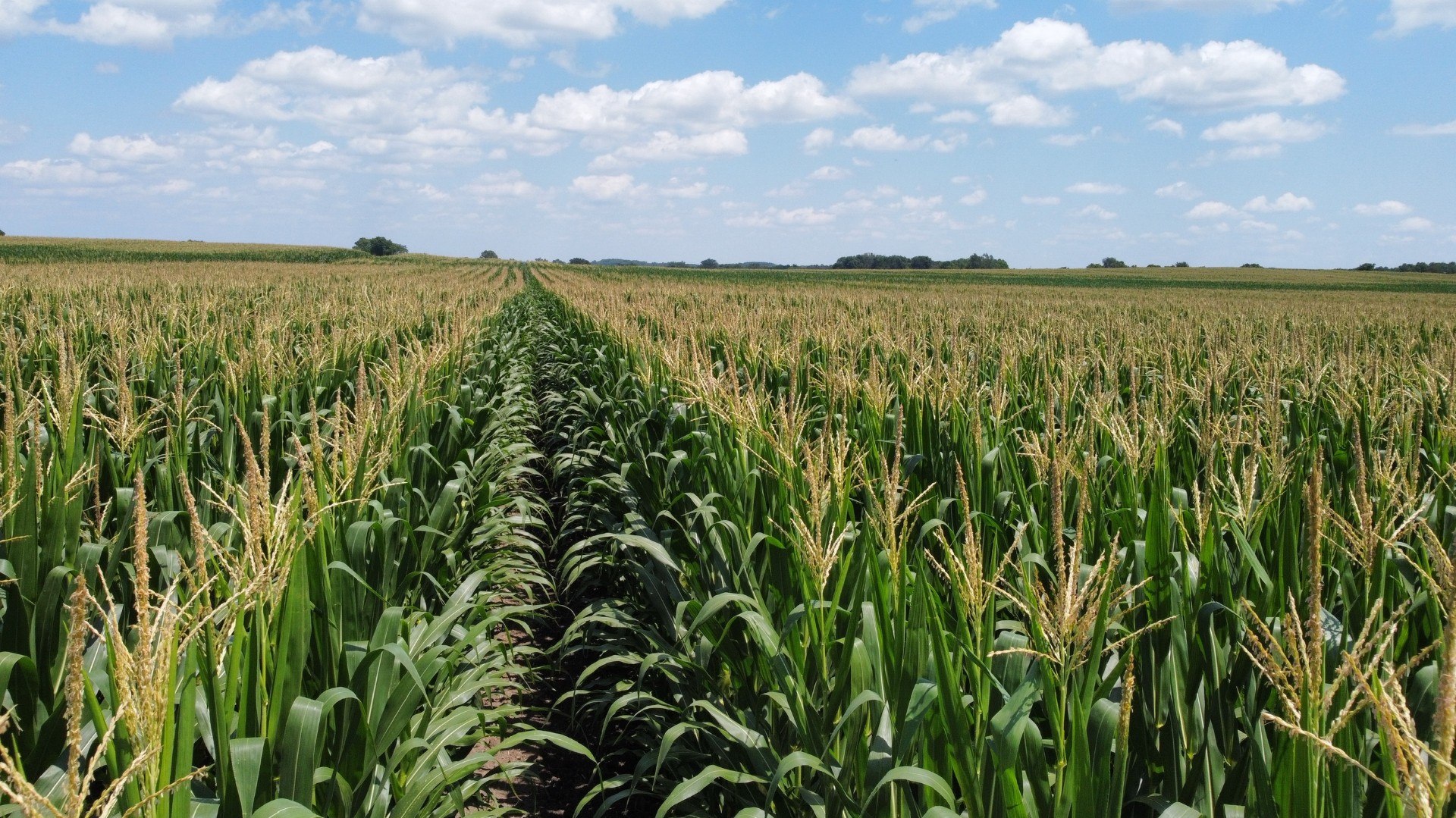
Hageman Realty’s deep-rooted knowledge of rural property and the local landscape allows us to connect you with the perfect piece of land to match your unique goals.
We understand the emotional weight of purchasing land, so we provide personalized guidance and unwavering support throughout your journey. We’ll help you navigate the market, explore available options, and confidently secure the property of your dreams. Learn more about what makes buying land with Hageman Realty different.
Discover Your Perfect Real Estate Investment
Your ideal property is waiting. Our extensive network and unparalleled local knowledge will connect you with the finest land opportunities across Indiana, Illinois, Wisconsin, Arkansas, and Texas. Explore our curated selection of properties and discover the perfect place to bring your vision to life.
Cultivate Your Future with Confidence
Because investing in land is an investment in your future, it’s a decision that requires careful consideration, expert guidance, and a trusted partner. With over 45 years of experience, Hageman Realty has the knowledge needed to navigate the complexities of land acquisition seamlessly. We understand your needs and concerns and are dedicated to empowering you to make informed decisions.
Whether you need more advice about market timing, optimal locations, or potential pitfalls, our team will support you with the expertise you need to proceed confidently. We’ll guide you through every step of the process, making your land purchase smooth and successful. Contact us about representing you so we can ensure your new property is the right fit.
Empowering You to Maximize Your Investment
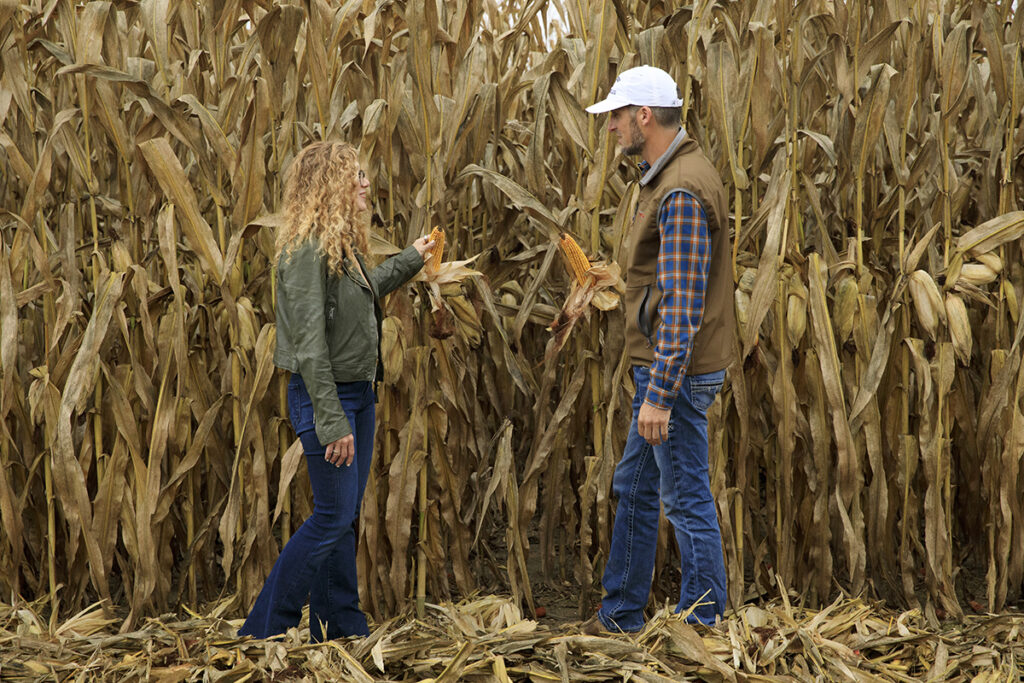
Purchasing land involves more than merely finding the right property; it requires a comprehensive understanding of the financial and regulatory landscape. At Hageman Realty, we are not just real estate experts but also your dedicated partners who help you navigate these complexities.
Our seasoned professionals are here to provide guidance on taxes, farm management, and investment strategies, ensuring you find the best property while maximizing your returns. Whether that looks like maximizing your tax benefits, exploring whether a 1031 exchange is an optimal tactic for you, or strategically diversifying your investments, we’ll help you explore all your options. Learn more about how our services help empower you to make the right choices for your future.
Your Ideal Property Awaits
Don’t limit your options. With our extensive regional reach across Indiana, Illinois, Wisconsin, Arkansas, and Texas, we open doors to a vast network of exceptional properties. Our local expertise and connections ensure you have access to the broadest range of opportunities, maximizing your chances of finding your perfect property.
Whether you’re looking for local insights as a newcomer to the area, hoping to diversify your existing land ownership investments, or hoping to find a recreational retreat for your family, we’re the experts with the depth of knowledge to find exactly what you’re looking for. Get your competitive edge in the marketplace and maximize your investment today.
Harvest Through the Eyes of a Farmwife
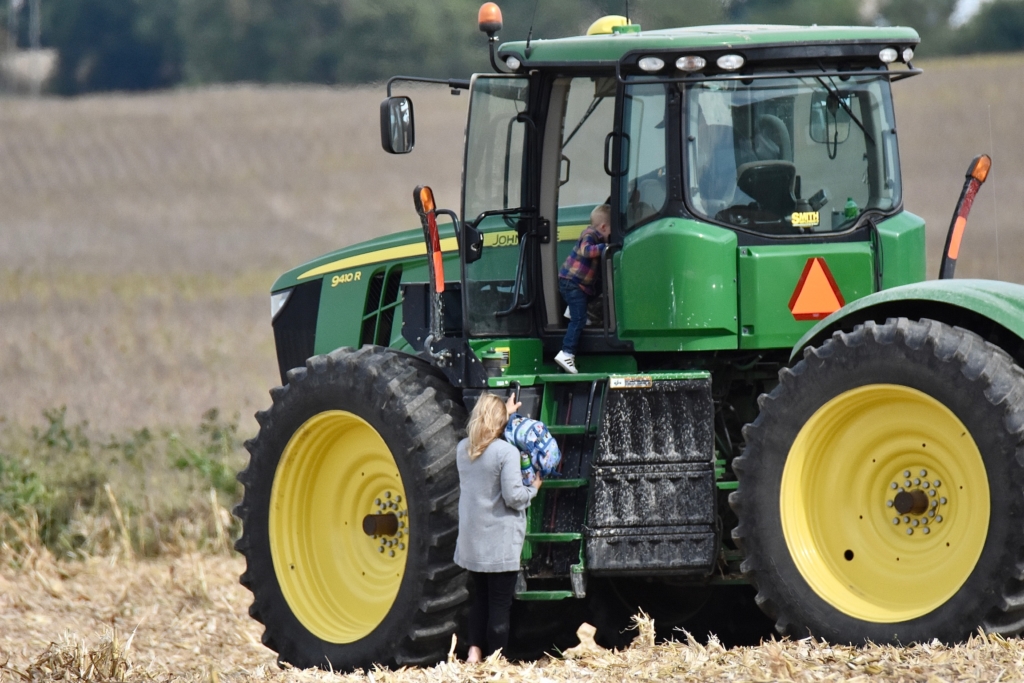
By: Stephany Jackson As I sit here and write this, we are officially a month into...
Read more
Before You Bid on Hunting Land: A Walkable Checklist for Habitat, Access, and Neighbor Pressure
A checklist for buying hunting land: access, water, habitat and neighbor pressure, in the order I...
Read more
How to Vet a Farmland Broker Before You Sign
How to vet a farmland broker before you sign: the questions that separate a land specialist...
Read more
Frequently Asked Questions
How much does farmland cost per acre in Indiana, Illinois, Wisconsin, Arkansas, and Texas?
Prices vary by state and quality. Purdue's 2025 survey put top-quality Indiana tillable ground at $14,826 per acre, with West Central Indiana — where Hageman serves most of its counties — running $10,135 to $14,388 per acre. Illinois cropland averaged $9,850 per acre per USDA NASS, with top-tier "excellent" tracts at $15,846. Wisconsin cropland averaged $7,250 per acre. Arkansas averaged $4,172 per acre statewide, though Delta rice ground in Desha, Chicot, and Phillips counties trades $6,000 to $7,500. Texas rural land averaged $5,158 per acre in Q3 2025, with Hill Country and Gulf Coast tracts reaching $11,000 and above.
How does a 1031 exchange work for farmland?
A 1031 exchange (IRC Section 1031) lets you sell one investment property and buy another without paying federal capital gains tax at the time of sale, as long as both properties are held for business or investment use. Farmland qualifies — cropland, pasture, timber, and recreational tracts are all real property under the Tax Cuts and Jobs Act of 2017. You have 45 calendar days from the sale to identify replacement property in writing and 180 days to close. A Qualified Intermediary must hold the proceeds — you cannot touch them between sale and purchase or the exchange collapses.
Do mineral rights and water rights transfer when I buy farmland?
Mineral rights (oil, gas, coal) and water rights are often legally separate from the surface land. They transfer with the sale only if they have not been previously severed. In Texas, where surface water is state-owned and permit-regulated and groundwater follows the rule of capture, properties with reliable water rights command 15 to 25 percent premiums in drought-prone regions. Under IRS rules, perpetual mineral and water rights qualify as real property for 1031 exchange purposes. Always pull a title search and a mineral and water rights review before closing.
What is NCCPI and how does it affect farmland price?
NCCPI (National Commodity Crop Productivity Index) is a USDA-NRCS soil rating that scores cropland on a 0-to-1 scale for cross-state comparison. Higher scores correlate with higher yield potential and higher per-acre prices. Indiana uses its own Weighted Average Productivity Index (WAPI) for tax assessment; Illinois uses a state-specific PI where Class A soils score 133 to 147. Benton County, Indiana, transactions in 2025 traded at roughly $169 per PI point.
How do I buy farmland?
Most farmland purchases follow a sequence: identify the property, sign a purchase agreement, secure financing (or arrange a 1031 exchange or cash), order title work and a survey, pull FSA records, walk the property, then close. Timelines depend on financing complexity and whether a 1031 exchange or estate transition is involved. Hageman brokers handle each step and connect buyers with ag-focused lenders, attorneys, title companies, and Qualified Intermediaries.
Can I buy farmland through an LLC, with a Self-Directed IRA, or with a partner?
Yes to all three, with caveats. LLC purchases work well for liability separation and easier ownership transfers, especially across multiple family members. Self-Directed IRAs (SDIRAs) can buy farmland, but the IRA owner cannot personally benefit (no living on it, no working it themselves), and rental income must flow back into the IRA. Partner purchases need a written operating or partnership agreement up front — sibling and friend co-ownership commonly goes sideways when one party wants to sell and the others don't. Hageman brokers can refer ag-experienced attorneys for the structure conversation.
Can I finance a farmland purchase?
Most farmland transactions go through ag-focused lenders rather than conventional banks. Farm Credit, regional banks with ag departments, and specialty lenders are the common channels. Fixed real-estate loan rates in the Federal Reserve Bank of Chicago district eased from 7.7 percent in Q3 2023 to about 7.0 percent by Q2 2025, though loan-portfolio repayment problems climbed to 5.6 percent — the highest level since Q2 2020. Hageman does not lend directly but connects buyers with lenders our buyers have used across our five states.
How do I buy farmland for hunting or recreational use?
Recreational and hunting land is a distinct market from cropland. Wisconsin's northern counties average $3,200 to $4,500 per acre, with Price and Rusk counties at $2,900 to $3,600; western Wisconsin "Bluff Country" timber tracts start near $5,800 per acre. Illinois recreational land averaged $6,600 per acre in 2024 (up 10 percent year-over-year), with central Illinois tracts reaching $10,600. Arkansas Ozark recreational tracts run $4,000 to $4,800 per acre. For property-tax savings, Texas offers a Wildlife Management Valuation (requires three of seven approved practices annually under a state-approved plan), and Wisconsin's Managed Forest Law provides reduced statutory tax rates for tracts of 20 or more contiguous acres (or 10 if connected to another qualifying parcel) committed to a 25 or 50-year forest management plan.
Should I buy farmland or invest in residential real estate?
Farmland generally appreciates more slowly than residential real estate in fast-growth markets, but offers steadier returns, lower volatility, and lower management overhead (especially with farm management in place). Farmland carries tax advantages residential doesn't — use-value assessment in all five Hageman states (Indiana's $2,120 per acre base rate, Illinois Publication 122's Agricultural Economic Value formula, Wisconsin since 1995, Texas 1-d-1 Open Space, Arkansas Amendment 59) and 1031 like-kind exchange eligibility. Residential markets respond fastest to interest rate changes; farmland responds to commodity prices and cash rents.
Should I buy at auction or through a private treaty sale?
Auctions create urgency and competitive bidding, often producing the highest price for the seller and a transparent process for the buyer. Private treaty sales (broker-listed with negotiated terms) give the buyer more time for due diligence, financing arrangement, and price negotiation. Auctions work best for unique tracts where comparables are thin or where the seller wants speed and certainty. Private treaty works best when the buyer needs control over timing or wants to coordinate a 1031 exchange around the 45-day and 180-day deadlines. Hageman handles both formats.
Where in Hageman's five-state coverage area is farmland cheapest right now?
Across Hageman's coverage, Arkansas averages lowest at $4,172 per acre statewide, with Ozark recreational tracts running $4,000 to $4,800. Texas Panhandle and South Plains are even cheaper for cropland at $1,862 per acre (drought-prone and dependent on the declining Ogallala Aquifer). Wisconsin cropland averaged $7,250 per acre, Illinois $9,850 per acre, and Indiana $12,254 per acre average. "Cheapest" can mean lowest price per acre or lowest cost per productivity unit — Hageman brokers can pull the right comparable set for your buy thesis.
I'm out of state — can I still buy farmland through Hageman?
Yes. Many Hageman buyers are out-of-state investors, 1031 exchangers rolling out of urban property into farmland, and family members buying back ancestral ground. Property tours run by appointment, and listings include drone aerials, soil maps, FSA records, and Land ID interactive maps so you can evaluate a property before traveling. Hageman handles licensed brokerage across Indiana, Illinois, Wisconsin, Arkansas, and Texas. Indiana HB 1183 (signed 2024, with the broader prohibition effective July 1, 2026) requires a closing affidavit affirming that the buyer is not connected to certain foreign adversary nations — the affidavit at closing is required now, with the enforcement and divestiture mechanism taking effect July 2026.
A note on these answers: This information is general and not tax or legal advice. Section 1031 transactions, inheritance, and state-specific tax rules are fact-specific — consult a CPA, tax attorney, or Qualified Intermediary experienced in agricultural transactions before acting on any specific question above.
