(219) 261-2000

Arkansas Real Estate
Arkansas’s diverse agricultural landscape, from the fertile Delta region to the rolling Ozark Mountains, presents unique opportunities for farmland investors and recreational land buyers alike. Hageman Realty’s deep presence in the state provides valuable local insights and access to exceptional properties.
Your Real-Estate Future in Arkansas
Arkansas is an ideal market for expanding your land portfolio, with a strong agricultural history, abundant water resources, and affordable land ready to be optimized for strong financial returns. An abundance of beautiful and unique recreational opportunities make Arkansas particularly special for outdoor enthusiasts. We understand the nuances of Arkansas landowning, including crop production, livestock operations, and hunting and fishing uses. Let our team guide you toward a successful and fulfilling land investment in Arkansas.
Find Your Next Adventure
Seeking fertile ground for your farming future? Or are you looking for your next hunting and fishing getaway? Browse our selection of recreational and agricultural land, featuring properties with diverse agricultural and investment potential. Let us help you find the perfect fit for your land purchasing goals.
Your Access to Hidden Gems in Arkansas
Discover the possibilities of Arkansas land ownership by tapping into our local and regional networks in the Natural State. With recreational and investment properties of our own in Arkansas, we have the insider knowledge to be your local expert, with an invaluable understanding of the local government resources, farming culture, and recreational practices.
We understand the unique characteristics of Arkansas land, from the fertile Delta to the recreational opportunities of the Ozarks. You’ll be able to buy land in Arkansas with the assurance that you’ve paid the best possible price and are making the right investment for your future. We’ll help you find the perfect property, whether you’re seeking farmland, a rural retreat, or a business investment.
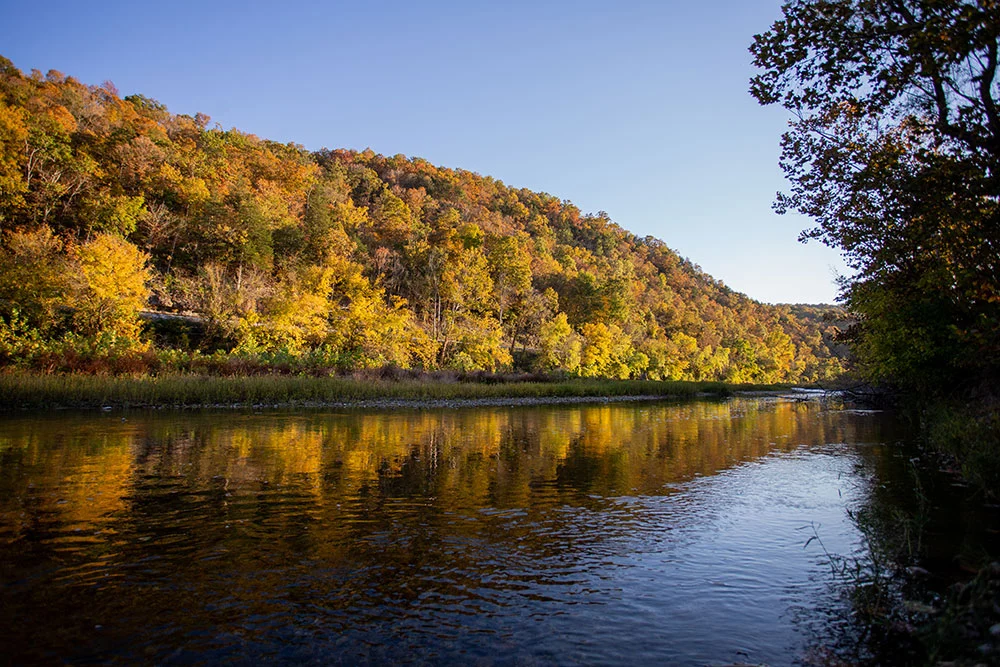
We Have Your Arkansas Land Sale Covered
Life changes, new priorities, or simply a desire for a change–whatever your reason for selling, Hageman Realty is here to ensure a smooth and successful transition. We’ll handle the details, maximize your land’s value, and connect you with the right buyers using our deep network of connections in Arkansas. We’re here to answer your questions about market trends and handle all the details of the selling process, ensuring you are set up for success.
Focus on your future, and let us take care of the rest.
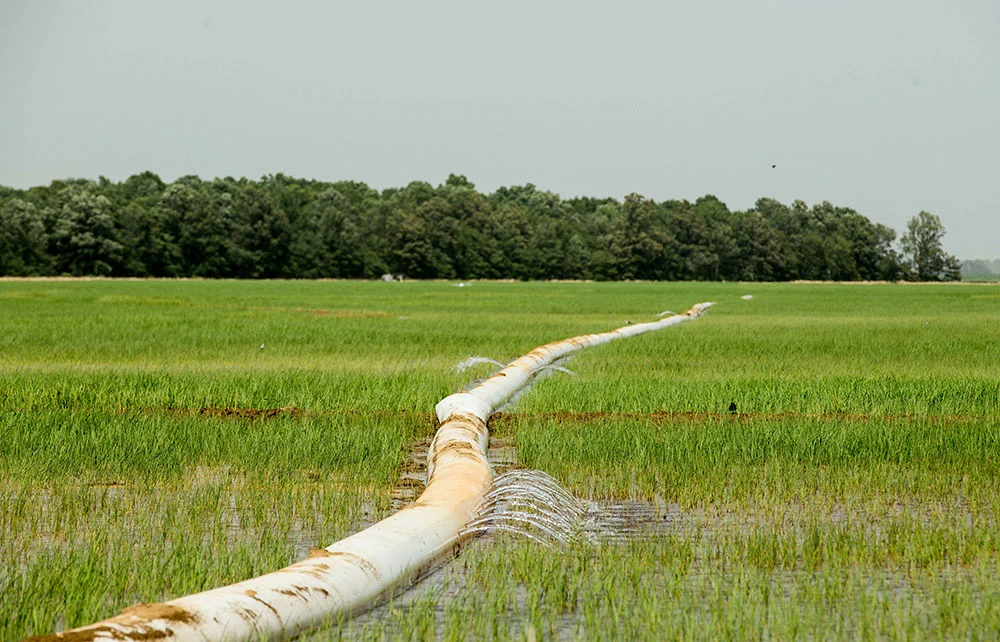
Your Arkansas Landowning Journey Starts Today
You know your land investment goals, and we know Arkansas–together we are an unstoppable team. Contact Hageman Realty today, and let our team help you navigate the market and find the perfect property to match your vision.
We’ll help you understand market property values, make sure you are getting the best possible deal, and navigate the real estate and closing details. Start your Arkansas land investment journey with confidence–contact us today.
Arkansas: A Landowner's Guide to the Natural State
Arkansas, the “Natural State,” offers a compelling blend of agricultural richness and scenic beauty. With its diverse terrain, fertile farmland, and strong agricultural traditions, Arkansas presents a unique opportunity for landowners and those seeking to invest in this often-overlooked state.
This guide explores Arkansas’ history, population, major cities, farmland, and recreational activities, providing valuable insights for those connected to the land.
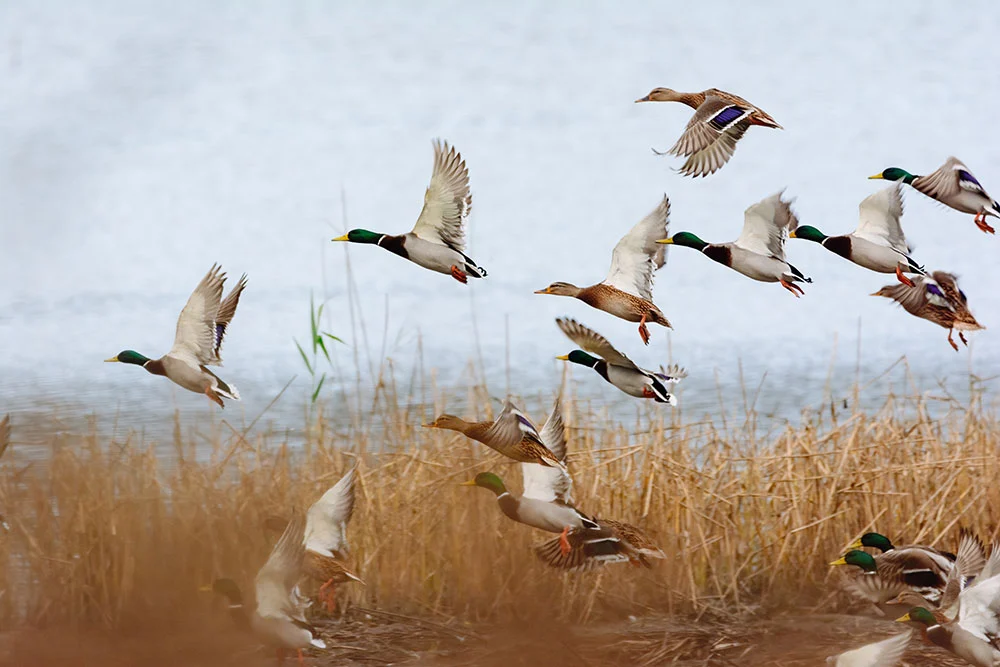
Arkansas History
Caddo, Quapaw, and Osage nations lived on Arkansas land when Europeans settled the state in the 16th century. In the 19th century, Arkansas became a U.S. territory and was known for its agricultural production, especially cotton. Enslaved labor was an enormous contributor to cotton’s success in Arkansas, which impacted the state’s culture and events even after the Civil War and Reconstruction. In the 20th century, however, agriculture in Arkansas shifted toward diversification, with livestock, poultry, soybeans, and rice becoming more popular products in the state.
Arkansas' Population and Major Cities
Arkansas has a population of approximately 3 million people as of 2024, with a significant portion living in rural areas outside of the state’s major cities. Little Rock, the state capital, is a hub for government, business, and culture. Other major cities include Fayetteville, home to the University of Arkansas and a growing technology sector; Fort Smith, a historic city with a diverse economy; and Jonesboro, an agricultural and manufacturing center in the northeast.
According to the 2017 Census of Agriculture, top agricultural counties in Indiana include:
- Mississippi County (seat: Blytheville, Arkansas) is known for its vast cropland of cotton and soybeans, much of which is planted on the incredible fertile soil of the Arkansas Delta.
- Arkansas County (seat: Stuttgart, Arkansas) is nicknamed the “Rice Capital of the World” due to the dominance of rice production in the county.
- Lonoke County (seat: Lonoke, Arkansas) produces a diversity of crops including rice, soybeans, and corn, and livestock including poultry and cattle. Its proximity to Little Rock provides convenient access to markets and support services.
- White County (seat: Searcy, Arkansas) has a high market value in poultry production, cattle farming, and crops like soybeans and rice.
- Benton County (seat: Bentonville, Arkansas) produces significant amounts of poultry, cattle, and fruit such as apples and grapes.
What is Arkansas' Farmland Like?
Arkansas boasts diverse farmland, encompassing over 14 million acres. The rich alluvial soils of the Arkansas Delta are well suited for crops like soybeans, rice, and cotton, often cultivated on a large scale. Annually, Arkansas produces 1.1 million pounds of cotton bales and 371,000 tons of cottonseed, in addition to producing over 40% of the country’s rice. The Ozark and Ouachita Mountains host smaller farms with livestock, poultry, and fruit production. Cattle farming is also prevalent, particularly in the Ozark Mountains and the western plains.
In national rankings, Arkansas is the
- #1 producer of rice;
- #3 producer of broiler chickens;
- #4 producer of cotton and cottonseed; and
- #4 producer of turkeys.
Arkansas’ soil types vary considerably, reflecting the state’s diverse topography. The fertile alluvial soils of the Mississippi Delta are ideal for rice and soybean production. The Ozark Mountains and Ouachita Mountains have thinner, rocky soils, while the western plains are characterized by sandy loam soils.
Because agriculture contributes so heavily to the Arkansas economy, the state has built a strong support network of investment, regulations, and incentives for farmers. To facilitate the efficient transport of agricultural products, Arkansas maintains its infrastructure through investing in its railways, roads, bridges, and irrigation systems. The Arkansas Department of Agriculture promotes Arkansas-grown products and supports expanded market access for farmers. The University of Arkansas Division of Agriculture conducts research on crops, livestock, and farming practices, which they disseminate to farmers through Cooperative Extension resources.
Arkansas agriculture’s impact on the economy radiates out to a vast network of farmland support businesses in the state. Riceland Foods is the world’s largest miller and marketer of rice and is based in Stuttgart, Arkansas. One of the world’s largest poultry producers and processors, Tyson Foods, is also based in Arkansas to support the booming broiler production. Grain elevators, farm equipment dealerships, and agricultural cooperatives, and other farm support businesses are all regular part of the farming landscape in Arkansas.
What Kind of Outdoor Recreation is There in Arkansas?
As the Arkansas Game and Fish Commission says on its website, “Hunting is not just a pastime in The Natural State, it’s a part of the culture.” Because of its diverse landscape, Arkansas has a uniquely diverse range of game species across the state. In addition to the ever-popular deer and waterfowl hunting, hunters in Arkansas can also seek out alligators, elk, black bears, and cougars.
Because hunting is such a draw for tourism and locals alike, the state has invested in more than 3 million acres of publicly accessible land for hunting. The state’s vast forests, rolling hills, and abundant waterways offer a variety of hunting environments. Some of the more popular hunting sites include the White River National Wildlife Refuge, Ozark National Forest, and Ouachita National Forest. Hunting licenses and permits are required, and hunters must adhere to state regulations and seasons.
Anglers can find over 300 public fishing areas in Arkansas, many of which are stocked by the Arkansas Game and Fish Commission. The state’s waterways offer a wide variety of fish species, including alligator gar, trout, walleye, smallmouth bass, crappie, and catfish. Fishing is popular at Lake Ouachita, Bull Shoals Lake, and the White River.
Buying Land in Arkansas
Arkansas is attractive to land buyers with a unique combination of agricultural potential and renowned recreational opportunities. The state’s long growing season and access to irrigation infrastructure create favorable conditions for rice cultivation and other crops. Arkansas is particularly famous for its duck hunting, drawing outdoor enthusiasts from across the nation.
Buyers should be aware that the soil composition in Arkansas often includes clay, which can present unique challenges for certain farming practices. Working closely with local experts like Hageman Realty is crucial to best navigate soil composition, government programs, the nuances of water rights, and identify properties that best suit their agricultural or recreational aspirations.
Hageman Realty has a deep understanding of the state’s unique agricultural landscape and is here to help you navigate it. We pride ourselves on building lasting relationships with our clients, providing personalized service and expert advice, whether you’re a seasoned farmer expanding your operation or a newcomer seeking a piece of the Natural State.
Recent Blog Posts
Harvest Through the Eyes of a Farmwife
By: Stephany Jackson As I sit here and write this, we are officially a month into...
Read more
Indiana’s Foreign Ownership Laws: Where European Owners Actually Stand
Indiana passed a foreign ownership law in the spring, it took effect July 1, and the...
Read more
You Inherited Farmland and You Don’t Live Near It. Start Here.
Written by: Sara Hageman Schenck, Managing Broker The call usually sounds the same. Somebody's parent died,...
Read more
Frequently Asked Questions
What is the average price of farmland in Arkansas?
Arkansas farmland averaged $4,172 per acre statewide in 2025 (University of Arkansas Division of Agriculture). The state's bifurcated geography creates two distinct land markets: the Arkansas Delta (Desha, Chicot, Phillips, Poinsett, and Mississippi counties) produces roughly 45 percent of all US rice and commands the state's highest cropland prices, with irrigated rice ground trading $6,000 to $7,500 per acre. The Ozark Highlands in north Arkansas (Carroll, Newton, Searcy, Stone, and Baxter counties) feature thin, rocky soils unsuited for row crops — values there are driven by recreation, timber, and retirement demand at $4,000 to $4,800 per acre for hunting tracts. North Arkansas timberland averaged about $4,800 per acre in 2025.
What is Arkansas's 50 percent capital gains exclusion?
Arkansas excludes 50 percent of net long-term capital gains (assets held more than one year) from state taxable income. Any net capital gain in excess of $10 million in a tax year is fully exempt from Arkansas income tax. With Arkansas's top individual income tax rate cut to 3.7 percent retroactive to January 1, 2026 (HB 1001 / SB 1 signed May 2026), the effective state rate on long-term farmland gains is roughly 1.85 percent on the first $10 million and 0 percent above that. The exclusion is administered via Form AR1000D. Neighboring Missouri and Mississippi do not provide a comparable exclusion at this scale, making Arkansas one of the most tax-favorable Hageman states for large farmland sales.
How does Arkansas Amendment 59 productivity-based assessment work?
Amendment 59 to the Arkansas Constitution requires that all agricultural land — cropland, pastureland, timberland — be valued on use and productivity, not market value. The Arkansas Assessment Coordination Division publishes annual valuation tables. The income-cost formula divides net income by a capitalization rate constrained between 8 and 12 percent to determine land value. Arkansas applies a statutory 20 percent assessment ratio to that use value before millage is applied, producing farmland property tax bills far below market-value states. Arkansas has no state estate or inheritance tax.
How does the Uniform Partition of Heirs Property Act work in Arkansas?
Arkansas adopted UPHPA via Act 2015, No. 107 (Ark. Code §§ 18-60-1001 through 18-60-1014), effective January 1, 2016 for partition actions filed after that date. Arkansas was the fifth state to adopt UPHPA. The act provides cotenants of heirs property with notice, court-ordered appraisal at fair market value, a 45-day right of first refusal at appraised value, and a court preference for partition-in-kind over forced sale. If a sale is ordered, UPHPA requires open-market sale through a court-appointed real-estate broker rather than a sheriff's auction. This is particularly important in Arkansas Delta counties where roughly 60 percent of Black-owned land is heirs property held without a will or deed transfer.
Should I sell Arkansas Delta rice ground or hold it?
Delta rice profitability is under pressure heading into 2026 — rice prices have dropped while input costs (fuel, fertilizer, irrigation, equipment) climbed. Most rice budgets are showing significant losses per acre, with bankers warning farmers are walking a tightrope. Despite the operating pressure, Delta cropland values remain firm at $6,000 to $7,500 per acre for irrigated rice ground in Desha, Chicot, and Phillips counties. The Mississippi River Valley Alluvial Aquifer (the primary Delta irrigation source) is 70 to 90 percent depleted in Critical Groundwater Areas and may not support current production within 20 years. For owners considering exit, current pricing remains transactable; for owners considering hold, irrigation infrastructure (reservoirs, tailwater recovery, well depth) is increasingly the differentiator on per-acre price.
What counties does Hageman Realty serve in Arkansas?
Hageman holds an Arkansas brokerage license and serves landowners in every county in Arkansas.
What makes Arkansas farmland unique?
Arkansas's split between Delta rice country and Ozark recreational and timber economy creates two distinct land markets in one state. Arkansas produces 45.2 percent of total US rice and 45.7 percent of total acres planted in 2025, with 1,250,000 acres harvested at a record state average of 166.2 bushels per acre. Rice ranks as a top-three crop commodity in Arkansas cash receipts. Arkansas is also one of 38 states with no estate or inheritance tax. The combination of low statewide average per-acre price ($4,172), generous capital gains exclusion (50 percent of long-term gains plus full exemption above $10 million annually), and constitutional use-value assessment makes Arkansas one of the lowest-cost-of-ownership Hageman states.
How does the Ozarks region differ from the Delta for farmland buyers?
The Delta and the Ozarks are economically and ecologically separate land markets. Delta soils (Sharkey, Dundee, Crowley silt loam series) support rice, soybeans, corn, and cotton and command the highest cropland prices on flat topography with alluvial fertility and aquifer access. Ozark Highlands recreational tracts average $4,000 to $4,800 per acre — driven by Buffalo National River, Ozark National Forest, hunting demand, and retirement migration. Searcy County alone has nearly 2,000 acres of hunting land listed with a combined market value around $7 million. Baxter County is a textbook retirement-destination county with a median age of 51.9 and an annual population growth around 0.9 percent. Buyers should match property type to investment thesis.
What is the AGFC Conservation Incentive Program and how does it affect hunting land values?
The Arkansas Game and Fish Commission's Conservation Incentive Program (CIP) reimburses landowners up to $10,000 for habitat practices including water quality protection, feral hog control, prescribed fire, and bottomland hardwood management. A second program round of $650,000 was announced. AGFC's Wildlife Management Area system covers 3,195,875 acres statewide, but roughly 90 percent of Arkansas land is privately owned — making private-land habitat investment the primary lever for recreational land value enhancement. Enrollment in CIP and documented habitat work directly raises hunting-land marketability in Ozark counties.
A note on these answers: This information is general and not tax or legal advice. UPHPA, Amendment 59, capital gains exclusions, and state-specific tax rules are fact-specific — consult a CPA, tax attorney, or licensed broker before acting on any specific question above.
