(219) 261-2000

Wisconsin Real Estate
Wisconsin’s rich agricultural heritage and diverse landscape offer a wealth of opportunities for farmland and recreational opportunities. With a strong history in dairy farming, the state provides a robust network of support for farmers and agricultural operations, as well as a multitude of recreational land activities in a culture of outdoor enthusiasts.
Cultivate Your Farming Dreams in America's Dairyland
Hageman Realty’s deep roots in the state provide unparalleled access to unique properties and expert guidance throughout your buying journey. We understand the specific challenges and opportunities of Wisconsin farmland, from dairy operations to cranberry bogs and everything in between. Let our team help you find the perfect property to cultivate your farming dreams in America’s Dairyland.
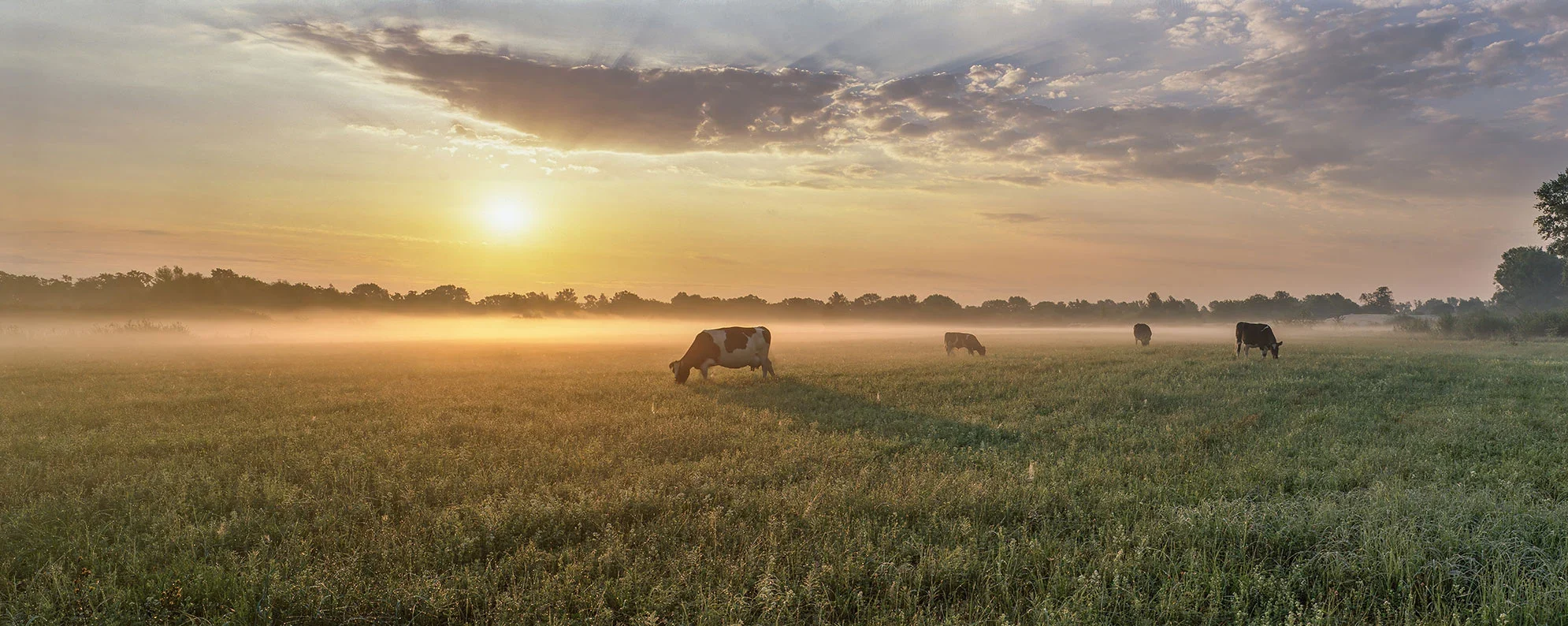
Explore Your Land Investment Options in America's Dairyland
Looking for the perfect Wisconsin farmland or recreational land to invest in? Explore our listings in Wisconsin, featuring properties suitable for dairy farming, crop production, outdoor recreation, and more. Find the perfect land to grow your land investment aspirations.
Where Will Your Wisconsin Investment Take You?
Wisconsin offers a unique farming and recreational landscape that is ripe for more investment. Hageman Realty is your trusted guide to navigating the Wisconsin land market, from tillable farmland to beautiful recreational escapes. The breadth and depth of our connections in Wisconsin will ensure you find the right property that meets all your business and personal goals. We’ll help you find the perfect property and give our expert guidance so you can buy land with confidence.
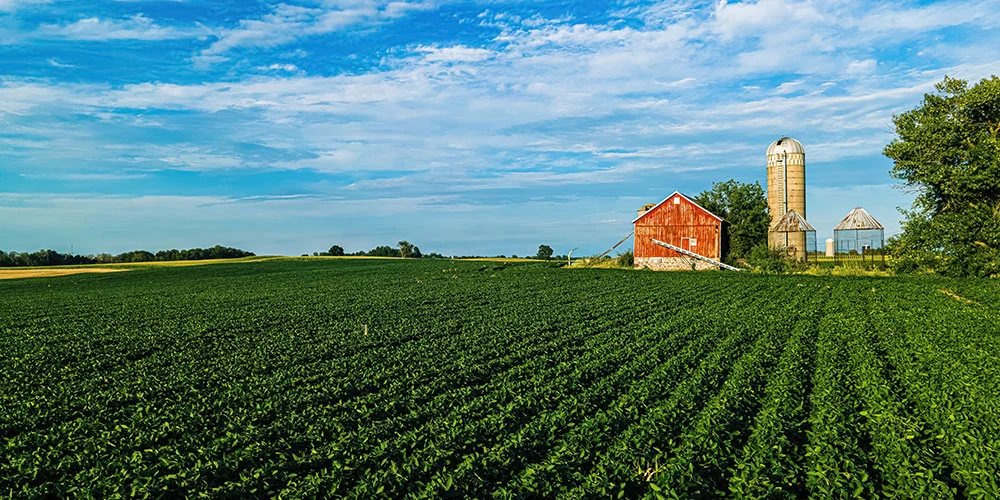
Regional Exposure for your Wisconsin Property
At Hageman Realty, we have the unique ability to leverage our local connections and understanding while also achieving a broader reach through our regional network. Casting a broader net across the region ensures we reach the best possible buyer when you are selling your Wisconsin land.
With generations of experience navigating the Wisconsin land market and a deep understanding of the state’s unique agricultural landscape, we’ll find the right buyer for your property at the right price. When it’s time to sell your land, partner with Hageman Realty so you can receive the best possible return on your land investment.
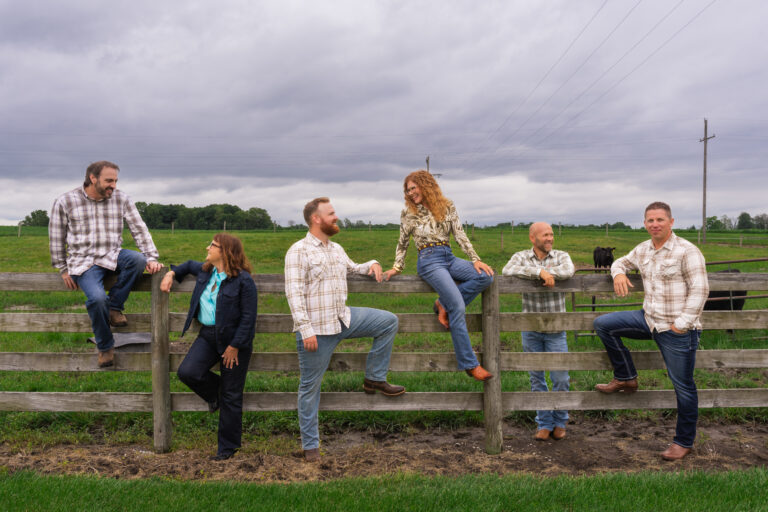
selling land with HR
Your Wisconsin Landowning Journey Starts Today
Hageman Realty is your “in” to Wisconsin’s rich and tight-knit agricultural and recreational land market. Our local experts will guide you toward the perfect property that is the right investment in your farm or recreational land portfolio. With over four generations of experience, we can provide the guidance that leaves you with confidence that you’ve made the best property choice for your business growth and legacy. What are you waiting for? Contact us today, and let’s get started in the next chapter of your landowning story.
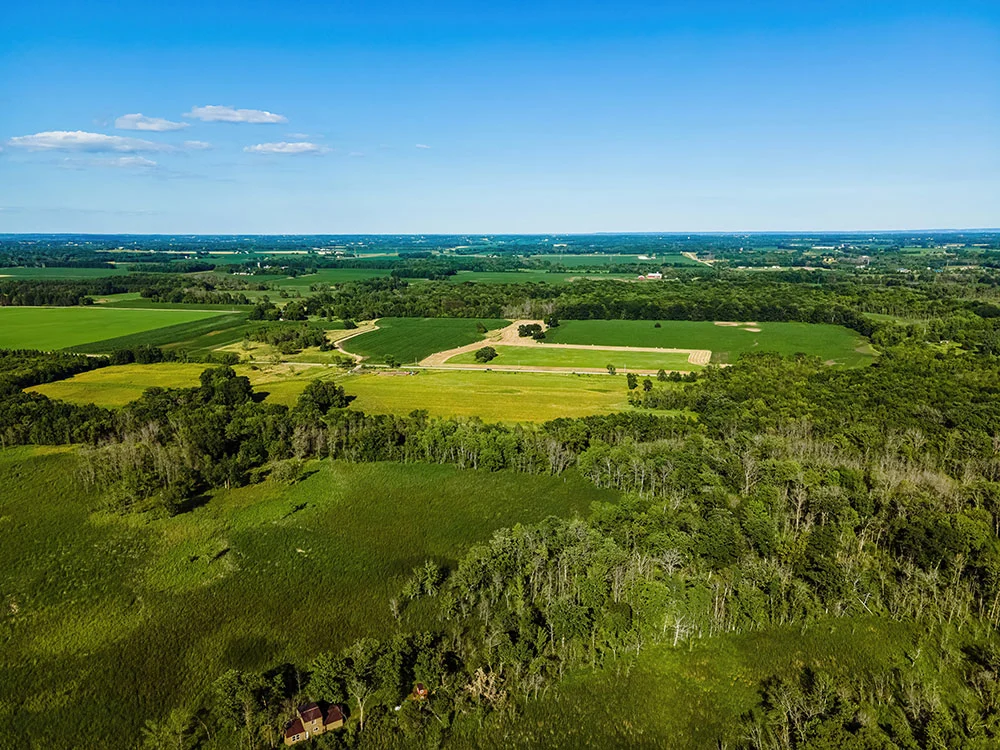
Wisconsin Farmland: A Landowner's Guide to America's Dairyland
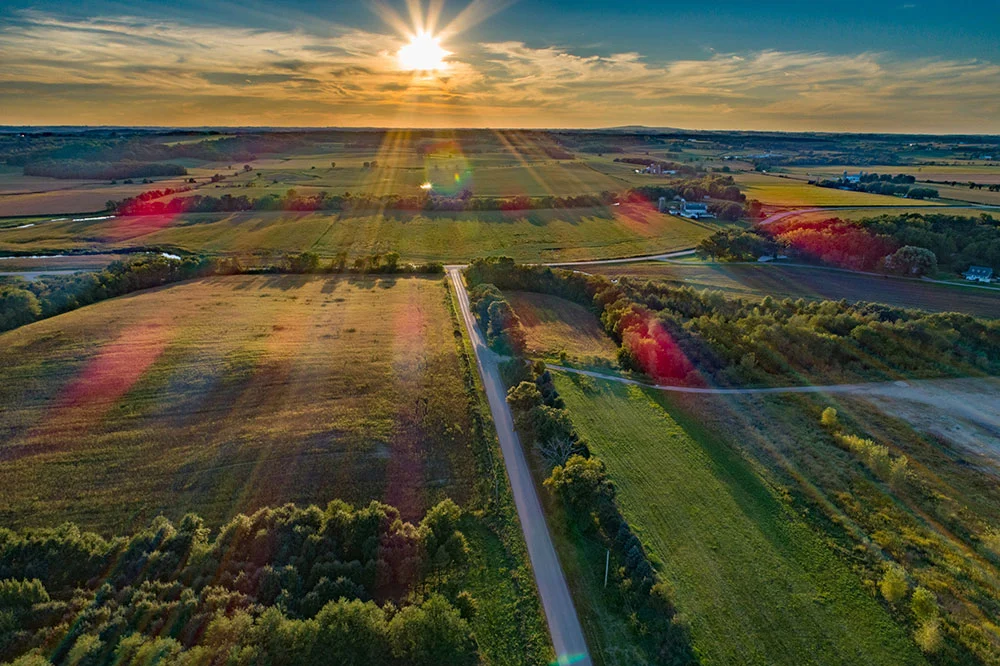
With its picturesque landscapes and rich agricultural heritage, Wisconsin offers a unique appeal to those seeking a connection with the land. Wisconsin provides a diverse and productive environment for farming and rural living, from its rolling hills and fertile plains to its abundant lakes and forests. This guide explores Wisconsin’s history, population, major cities, farmland, and recreational opportunities, offering valuable insights for landowners and potential buyers.
Wisconsin History
Wisconsin was already inhabited by many distinct native American tribes when Europeans arrived in the now-state, including the Ho-Chunk (Winnebago), Menominee, Ojibwe (Chippewa), Potawatomi, and others. From the 17th through 19th centuries, the fur trade was the dominant economy in Wisconsin until logging and agriculture became major industries in the state in the 20th century. Large influxes of Europan immigrants from Germany, Norway, Ireland, and elsewhere to Wisconsin helped shape the state’s economy and culture. Today, Wisconsin remains a leading agricultural state, renowned for its dairy industry, cranberry production, and diverse crop production.
Wisconsin’s Population and Major Cities
Wisconsin has a population of approximately 5.9 million people. Milwaukee, the state’s largest city, is a hub for manufacturing, healthcare, and finance. Madison, the state capital, is known for its vibrant cultural scene and the University of Wisconsin-Madison. Green Bay, a historic city on the shores of Lake Michigan, is a center for manufacturing and tourism. County seats, often smaller towns, serve as centers of local government and community life.
According to the 2017 Census of Agriculture and the Wisconsin Department of Agriculture, Trade and Consumer Protection (DATCP), top agricultural counties in Wisconsin include:
- Dodge County (seat: Juneau, Wisconsin), a powerhouse in the market value of both crops and livestock, including dairy, corn, soybeans, and hogs. Dodge County is known for its fertile soils and progressive farming practices.
- Dane County (seat: Madison, Wisconsin) has a large rural area in addition to its well-known city Madison. Farms in Dane county produce dairy, mixed vegetables, sweet corn, and cranberries.
- Marathon County (seat: Wausau, Wisconsin) leads the state in milk production. Ginseng is another high-value specialty crop that contribute to Marathon’s high market value.
- Clark County (seat: Neillsville, Wisconsin) is another prolific dairy-producing county that also produces beef cattle. Clark County is known for its strong agricultural infrastructure and cooperative organizations.
Grant County (seat: Lancaster, Wisconsin) leads the state in total acreage farmed, with a focus on beef cattle and corn.
What is Wisconsin’s Farmland Like?
Wisconsin’s varied landscape and climate support a diverse range of agricultural activities. Dairy farming is a cornerstone of the state’s agricultural identity, with Wisconsin leading the nation in cheese production. There’s no surprise that Wisconsin is known as America’s Dairyland; it is home to 5,500 dairy farms and 1.28 million cows! 1,200 licensed cheesemakers in the state produce over 600 types of cheese, adding up to 25% of the nation’s cheese–3.51 billion pounds in 2023.
Corn and soybeans are also major crops, grown extensively throughout the state. Other important agricultural products include snap peas, cranberries, potatoes, ginseng, and a variety of fruits and vegetables. There are 58,521 farms in Wisconsin that cover 13.8 million acres.
In national rankings, Wisconsin is the:
- #1 producer of cheese;
- #1 producer of cranberries, growing 62% of the nation’s cranberries;
- #1 producer of snap beans for processing; and
- #3 producer of potatoes.
Wisconsin boasts a diverse range of soil types due to its geological history. Because most of Wisconsin was covered by glaciers, the soil today includes a mixture of textures from clay to sand. Glacial deposits also often contain minerals that make the soil fertile, especially in areas with silt loams like those in central Wisconsin. Wisconsin is also known for its antigo silt loam soil, which is known for its productivity due to its ability to hold moisture and nutrients. Because of its variety of soil types, there is a wide diversity of crops across the state.
Farmland-specific businesses are integral to Wisconsin’s rural economy, particularly those that support the state’s dairy producers. These include dairy processing plants, cheese factories, farm equipment dealerships, agricultural cooperatives, and dairy cooperatives. Altogether, these companies provide essential services and support to the farming community, contributing to the state’s agricultural success.
Wisconsin helps preserve its culture of agricultural excellence through policies and regulations that support farmers. This includes right-to-farm laws, tax incentive programs to keep land in agricultural use, environmental regulations on nutrient management and runoff control, tax credits and exemptions for farmers, state-sponsored marketing and promotion programs, and a deep investment in agricultural collaboration and research.
Recreational Hunting in Wisconsin
Wisconsin’s diverse landscape provides abundant opportunities for recreational hunting. White-tailed deer are a popular game animal, with archery, firearm, and muzzleloader seasons available. Other popular species include black bears, wild turkey, waterfowl, small game, and furbearers.
The state’s vast forests, rolling hills, wetlands, and agricultural fields offer a variety of hunting environments. There is extensive public land access for hunters, and a strong hunting tradition in the state with an emphasis on ethical hunting practices and conservation. Hunting licenses and permits are required, and hunters must adhere to state regulations and seasons.
Wisconsin’s numerous lakes, rivers, and wetlands make for exciting waterfowl hunting, but the abundance of water in the state also attracts a strong tourism base of anglers each year. There are 160 different fish species in Wisconsin, but the state is most well-known for walleye, musky, panfish, bass, trout, salmon, and catfish. In the winter, ice fishing season starts up for the hardiest anglers.
Because of the state’s investment in public hunting and fishing sites, outdoor recreation is uniquely accessible in Wisconsin. Hunting is popular at Northern Highland-American Legion State Forest, Chequamegon-Nicolet National Forest, and the Sandhill Wildlife Area. Anglers prefer to visit Lake Winnebago, Chippewa Flowage, and the Mississippi River. But with abundant public and private lands to explore, there’s always somewhere new to fish or hunt in Wisconsin.
Buying Land in Wisconsin
Wisconsin presents a unique opportunity for land buyers seeking a blend of agricultural and recreational opportunities. The state’s diverse topography, ranging from fertile plains to rolling hills, supports a variety of land uses. Southwestern Wisconsin is renowned for its productive prairie soils, ideal for crops and dairy farming, and the state’s abundant water resources add to its agricultural appeal.
Beyond farming, Wisconsin offers exceptional recreational potential, with ample opportunities for hunting, fishing, and enjoying the outdoors. A low property tax environment adds to the incentives for land ownership. However, buyers should be aware of regional variations in land quality and seek expert guidance to navigate local regulations and ensure their investment aligns with their long-term goals.
For those considering buying or selling farmland or recreational land in Wisconsin, it’s essential to find a trusted partner who understands the local market and prioritizes your best interests. Hageman Realty, with its deep roots in Wisconsin and extensive experience in farmland transactions, is committed to providing personalized service and guiding you toward your perfect property in America’s Dairyland.
Whether you’re a seasoned landowner or new to Wisconsin’s agricultural landscape, Hageman Realty is your trusted partner in navigating the complexities of farmland ownership. We’re committed to helping you achieve your goals and secure your future in America’s Dairyland.
Recent Blog Posts
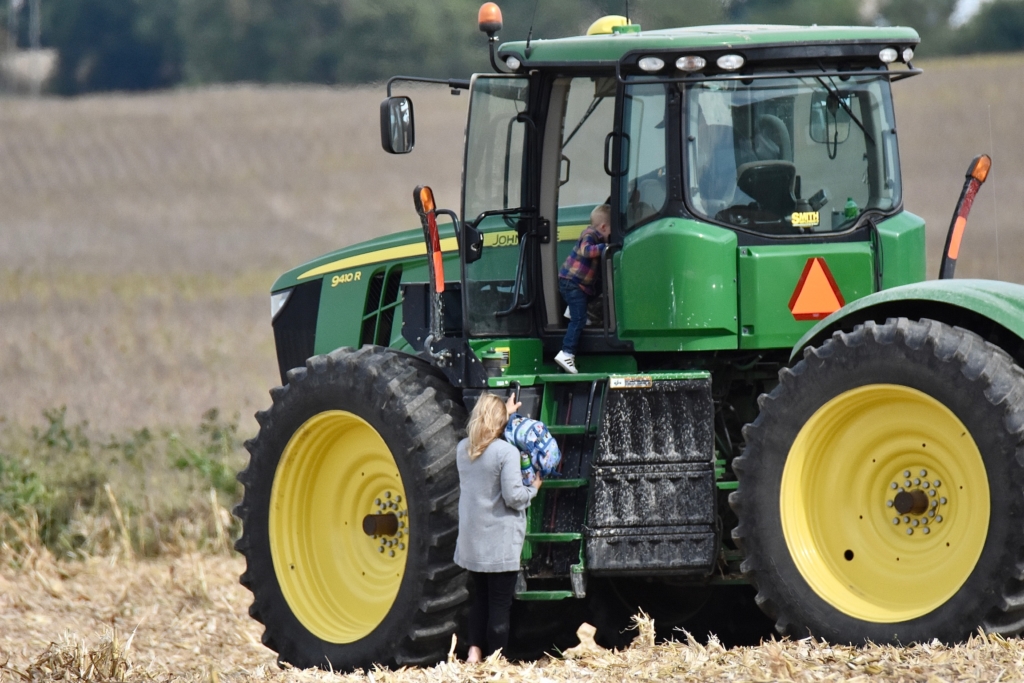
Harvest Through the Eyes of a Farmwife
By: Stephany Jackson As I sit here and write this, we are officially a month into...
Read more

Cash Rent vs. Crop Share: Which Lease Fits Indiana Landowners
Written by: Hinnerk Wolters, Broker The question a landowner asks is, “Which lease pays more?” The...
Read more
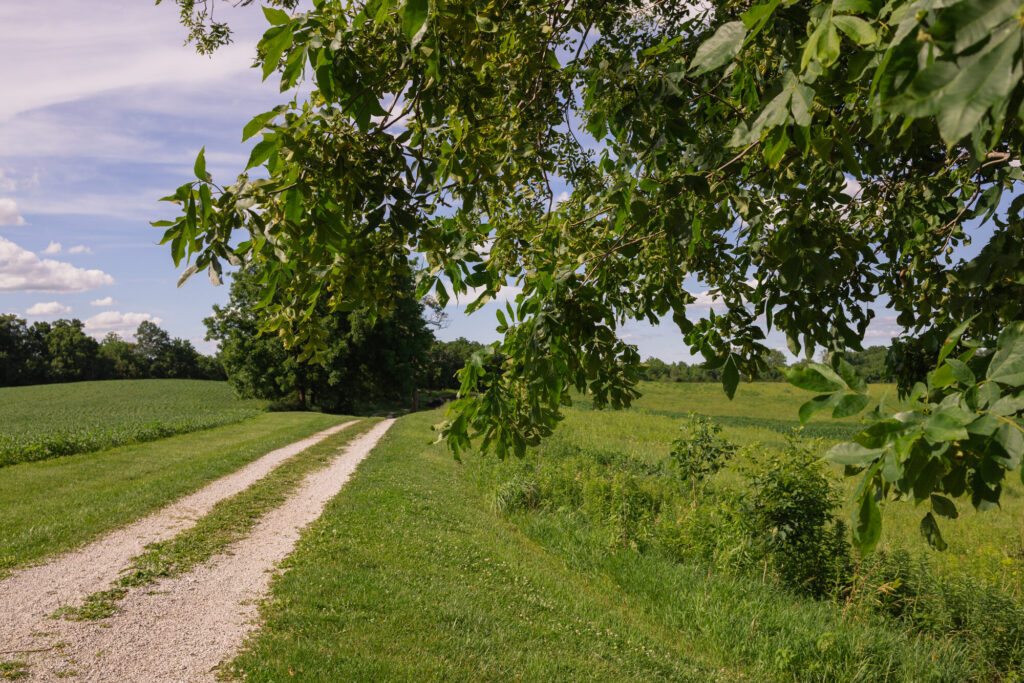
Owning Farmland You Can’t Drive Past
An owner who lives near their farm learns things by driving past. If you don't, here's...
Read more
Frequently Asked Questions
What is the average price of farmland in Wisconsin?
Wisconsin's average farm real estate value reached $6,420 per acre in 2025 (USDA NASS), up 4.9 percent from 2024, with cropland averaging $7,250 per acre. The state saw 9 percent year-over-year farmland appreciation in 2025 per the Chicago Fed AgLetter, with Compeer Financial benchmarks averaging 10.8 percent appreciation between December 2024 and December 2025. Limited inventory drove the gains. Northern hunting and recreational tracts average $3,200 to $4,500 per acre, with Buffalo County premium hunting land hitting $9,100 per acre in 2024 (40 percent appreciation since 2020). 85 percent of 2025 Wisconsin farmland buyers were farmers, not investors.
What is Wisconsin's 60 percent farm asset capital gains exclusion?
Wisconsin offers a 60 percent exclusion on long-term capital gains from farm assets under Wis. Stat. §71.05(6)(b)9m — livestock, farm equipment, farm real property, and farm depreciable property held more than one year or acquired from a decedent. This is materially better than Wisconsin's general 30 percent long-term capital gains exclusion. With Wisconsin's progressive income tax of 3.50 to 7.65 percent (capital gains taxed as ordinary income), a typical farmer in the top bracket effectively pays roughly 3.06 percent state tax on a qualifying farmland gain instead of 5.36 percent. Important caveat: woodland that cannot be used in farming does not qualify and falls back to the 30 percent general exclusion. Depreciation recapture is also excluded from the favorable treatment.
How does Wisconsin's Use-Value Assessment work for farmland property tax?
Under Wisconsin Act 27 (1995), agricultural land is assessed based on agricultural productivity (use value) rather than market value, dramatically lowering property taxes on working farmland. The Farmland Advisory Council adopts annual per-acre use-value guidelines for every Wisconsin municipality. When ag land is converted to residential, commercial, manufacturing, or tax-exempt use, the owner owes a conversion charge. There is no conversion charge when land is reclassified to Undeveloped, Agricultural Forest, Productive Forest, or Other. The Wisconsin Department of Revenue Publication 061 is the canonical reference.
How does Wisconsin's Managed Forest Law (MFL) work?
The Managed Forest Law is the dominant tax shelter for Wisconsin timber and recreational landowners. Land must be at least 20 contiguous acres under one ownership (or 10 contiguous acres if connected to another 10-acre-or-larger parcel under common ownership), with at least 80 percent productive forest. Owners commit to 25 or 50 years and choose Open enrollment (requires public access for hunting, fishing, hiking, sight-seeing, and cross-country skiing) or Closed enrollment. Current 2023 to 2027 tax rates: 2005-and-later enrollees pay $1.90 per acre Open or $9.49 per acre Closed, targeting an 80 percent property tax reduction. Withdrawal triggers a $300 fee plus a withdrawal tax. Enrollment for the 2027 tax year closes June 1, 2026.
Should I keep my Wisconsin dairy farm or sell it given the milk market?
USDA's February 2026 WASDE put the all-milk price at $18.95 per hundredweight, down $2.22 from 2025's $21.17 and projected to hold in the $18 to $19 range through 2026. Wisconsin has lost about 76 percent of its dairy farms since the mid-2010s. Mid-size dairies (300 to 500 cow herds) face $100,000 to $300,000 annual losses at current milk prices once labor and depreciation are factored. Three paths: scale (consolidate around cheese-plant gravity wells), premium contracts (organic or A2 — Wisconsin has 415 organic milk farms, the most of any state), or exit. Despite weak milk prices, Wisconsin farmland values rose 9 percent in 2025, so selling the dirt may outperform continuing operations for some owners. Hageman brokers can pull comparable sales for dairy and grain tracts in your county.
What counties does Hageman Realty serve in Wisconsin?
Hageman holds a Wisconsin brokerage license and serves landowners in every county in Wisconsin.
What makes Wisconsin farmland different from other Corn Belt states?
Wisconsin's farm economy has a dual personality unique in the Midwest. The southern two-thirds is dairy and grain country; the northern third is forest, recreation, and timber. Wisconsin has been the largest cheese-producing state since 1910 (25.2 percent of national cheese production) and remains second in milk production behind California. Marathon County produces about 95 percent of Wisconsin's ginseng, and Wisconsin itself accounts for roughly 98 percent of all US ginseng with about 80 percent exported to Asia. Wisconsin uses the federal NCCPI for soil productivity scoring rather than a state-specific PI system.
Where are the best Wisconsin counties for farmland?
For row crops and dairy: Lafayette County leads with $260 per acre cash rent in 2025, followed by Grant at $243, then Dane, Dodge, and Walworth — the southern Rock River and uplands soil belt. For recreation and hunting: Buffalo County in western "Bluff Country" averaged $9,100 per acre for hunting parcels in 2024, with premium river-bluff tracts hitting $12,000. Trempealeau and Jackson typically discount 15 to 25 percent compared to Buffalo for similar timber and topography. Northwoods recreation (Forest, Ashland, Bayfield, Price, Rusk) ranges $2,200 to $3,600 per acre, with Bayfield County seeing rapid appreciation on vacation-home demand.
Does Wisconsin have inheritance or estate tax?
No. Wisconsin has no state estate or inheritance tax. Federal estate tax applies only to estates over $15 million per decedent (effective January 1, 2026 under OBBBA). For Wisconsin farmland inherited at death, IRC Section 1014 step-up in basis means heirs pay capital gains tax only on appreciation after the date of death. Combined with Wisconsin's 60 percent farm asset exclusion under Wis. Stat. §71.05(6)(b)9m, the effective state tax on inherited farmland sold shortly after inheritance is very low. The most consequential tax planning move for Wisconsin farm families is preserving documentation of fair market value at the date of death — a qualified appraisal is the standard.
A note on these answers: This information is general and not tax or legal advice. Section 71.05(6)(b)9m, Managed Forest Law, Use-Value Assessment, and state-specific tax rules are fact-specific — consult a CPA, tax attorney, or licensed broker before acting on any specific question above.
