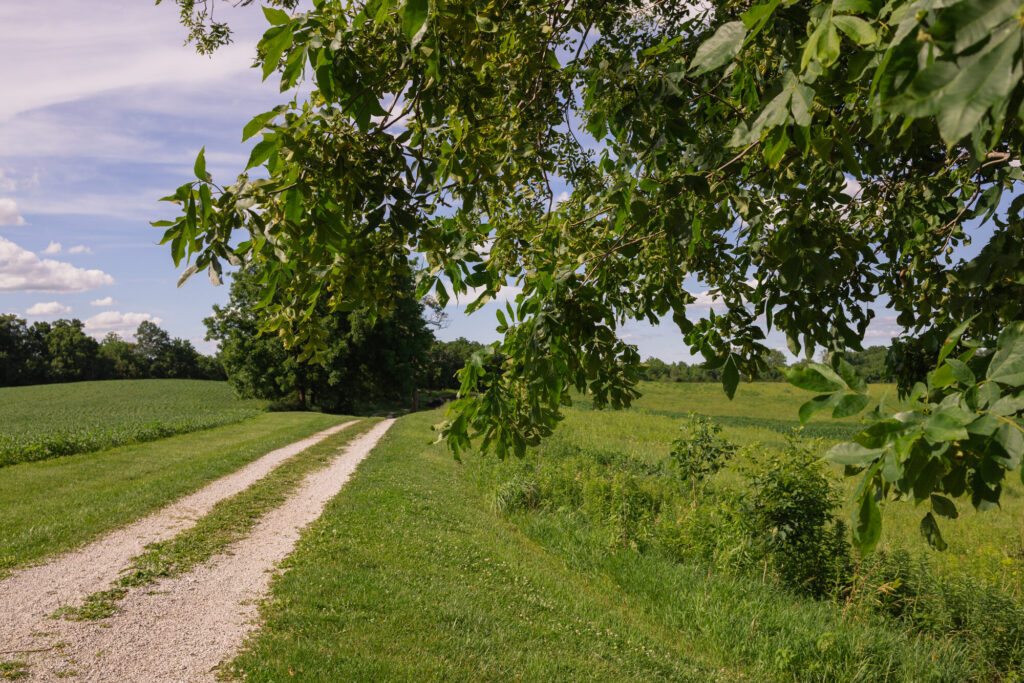
The difference between an owner who lives near their farm and one who doesn’t isn’t money, and it isn’t sophistication. It’s that one of them drives past the field on the way to church and the other one doesn’t.
Take it away and every question becomes a phone call to somebody to inform you.
What changes when you’re an absentee landowner
Absentee landowner is a real category in agriculture. It covers the daughter who inherited eighty acres and lives in Chicago, the couple who retired to Arizona and kept the home place, and the family overseas holding Midwest row crop as a long-term asset.
What they share is distance. Being far from the farm makes it harder to see what’s happening day to day, so good communication matters more.
Rent can drift, and when it does, it’s usually a rent that was set low and hasn’t kept up with the market. Nobody did anything wrong. When an arrangement hasn’t been reviewed for years, it can be useful to compare it with current local conditions.
A common trap: owners want to keep the farm run the way their grandparents ran it, without realizing how much has changed since. Farming practices, the market, farm profitability, and rents all move, and a farm managed the way it was thirty years ago may be leaving something on the table.
Improvements take planning. Tile that needs attention is hard to spot from four states away, and the first sign can be a yield number a few seasons later.
A farm manager who understands both farming and land value can help here, working alongside the farmer on improvement needs and projects so the farmer isn’t carrying everything alone. For owners who want that support, it makes a real difference.
Communication matters, too. A tenant who doesn’t hear from the owner makes decisions the best they can with what they know. When an owner shares their goals for the land, the farmer has more to work with.
Getting to know the farm and the farmer
Before we form an opinion about your rent or your land, we find out who’s farming it and how the arrangement works. Is it cash rent or crop share? Is the lease written or a handshake? When was it last changed, and by whom? What’s been done to the land, and who paid for it? Is anything enrolled in a conservation program?
Most of the time, the tenant is a good farmer who’s been taking care of that land for years. A good farmer is an important partner in the long-term health and value of the land. If you have a trusted farmer who communicates well and takes good care of the property, you may already be in a strong position. Farm management is added support for owners who want help with communication, projects, records, or market context.
What a year of management looks like
Farm management covers more than collecting rent. It keeps you informed about your land, even from far away.
Through the year, our farm managers pay attention to crop condition, weed pressure, whether the waterways are holding, and whether the tile outlets are open.
Around that, the year has a shape.
Ahead of the coming crop year, the lease gets reviewed and renewed and the terms get confirmed, and last year’s accounting gets closed out for you and your accountant.
At year end, you get a full accounting and a recommendation for next season, with the reason behind it. That’s also when we sit down for the annual meeting to go over the big picture, talk through the plan for the coming season, and look at where your rent sits. An annual market-value update gives you a current view of what your farm is worth, so you have accurate information for planning and balance-sheet updates.
There’s a routine built, so the farmer knows what to expect, and you’re getting information a neighbor might never have thought to ask for.
Why it matters that we farm
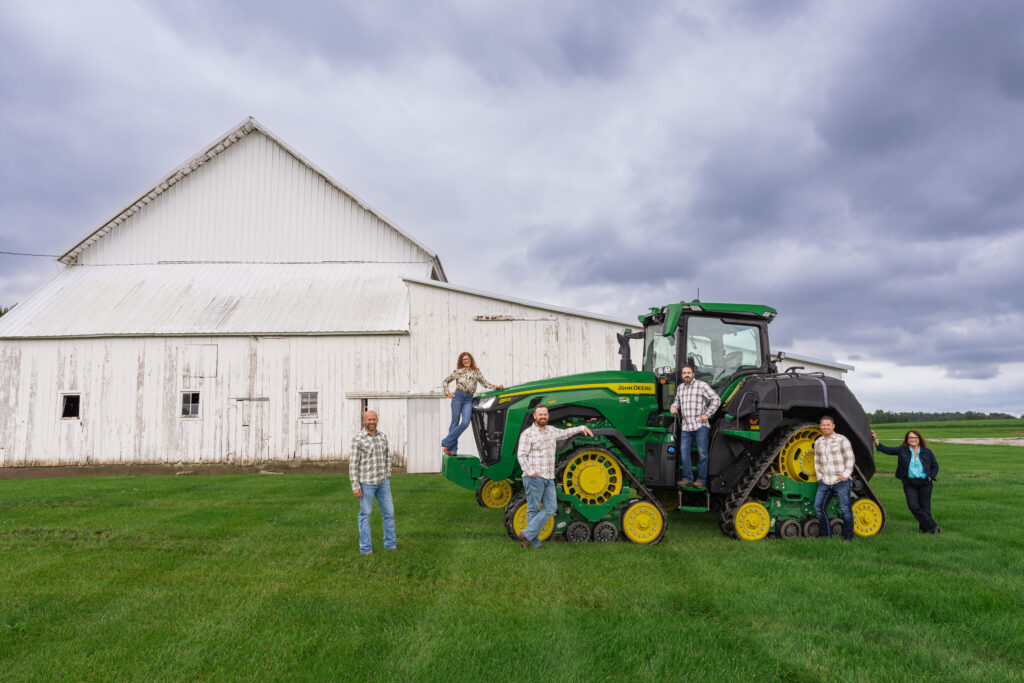
We’re a fourth-generation family firm in Remington, Indiana. We’ve been in real estate since 1976, and farming even longer. We farm land ourselves. We manage land for other people.
That order matters. The best farm manager is somebody who understands farming. When we talk with you about rent or the condition of a field, that’s coming from people who know what it takes, because we’re doing it on our own land the same season: updating drainage, maintaining and improving soil fertility, and managing crop contracts and conservation on our own farms.
We treat every client’s deal like it’s our own. That’s the standard whether you live twenty minutes away or across an ocean.
Questions we get
How often will I actually hear from you?
You’ll hear from us when there’s something you need to know or a decision to make. We try to put most of it in our annual meeting so we don’t bother you. We’ll also let you know about listings in your area, or other listings that come up, that might be worth your attention.
Can you manage land in more than one state?
We’re licensed in Indiana, Illinois, Wisconsin, Arkansas, and Texas. Tell us where your land is and we’ll tell you straight whether we’re the right firm for it.
What if I just want to know what it’s worth?
Then that’s the conversation. There’s no expectation you list with us, hire us, or do anything else. We’ll give you a current view of what your farm is worth and where your rent sits, so you have accurate information for planning.
I inherited this and I don’t know where to start.
We help you evaluate the lease and connect with the tenant, look at your future needs and goals, lay out your options, and look at drainage, fertility, and market values on land and cash rent. We’ll discuss the different types of lease options, share what the current market looks like, and help you understand your asset in depth. Call the office and we’ll start there.
If your land is somewhere you aren’t
We put together a plain-language guide for absentee landowners in that position. The Owner Who Isn’t There covers what to ask the person farming your land, what a farm manager should be sending you through the year, how to read a farm statement, and the ten questions worth asking anybody before you hire them.
Talk to us when you’re ready. There’s no pressure and no timeline.